Air Duct Mold Remediation in Cypress, TX Before a Sale
Air duct mold remediation in Cypress, TX often comes up in the middle of a home sale, when a buyer's inspection report notes growth on registers, the air handler or duct liner. Sellers and buyers both need a clear scope, a separate assessor and remediator for regulated jobs, and paperwork that shows the moisture cause was addressed.
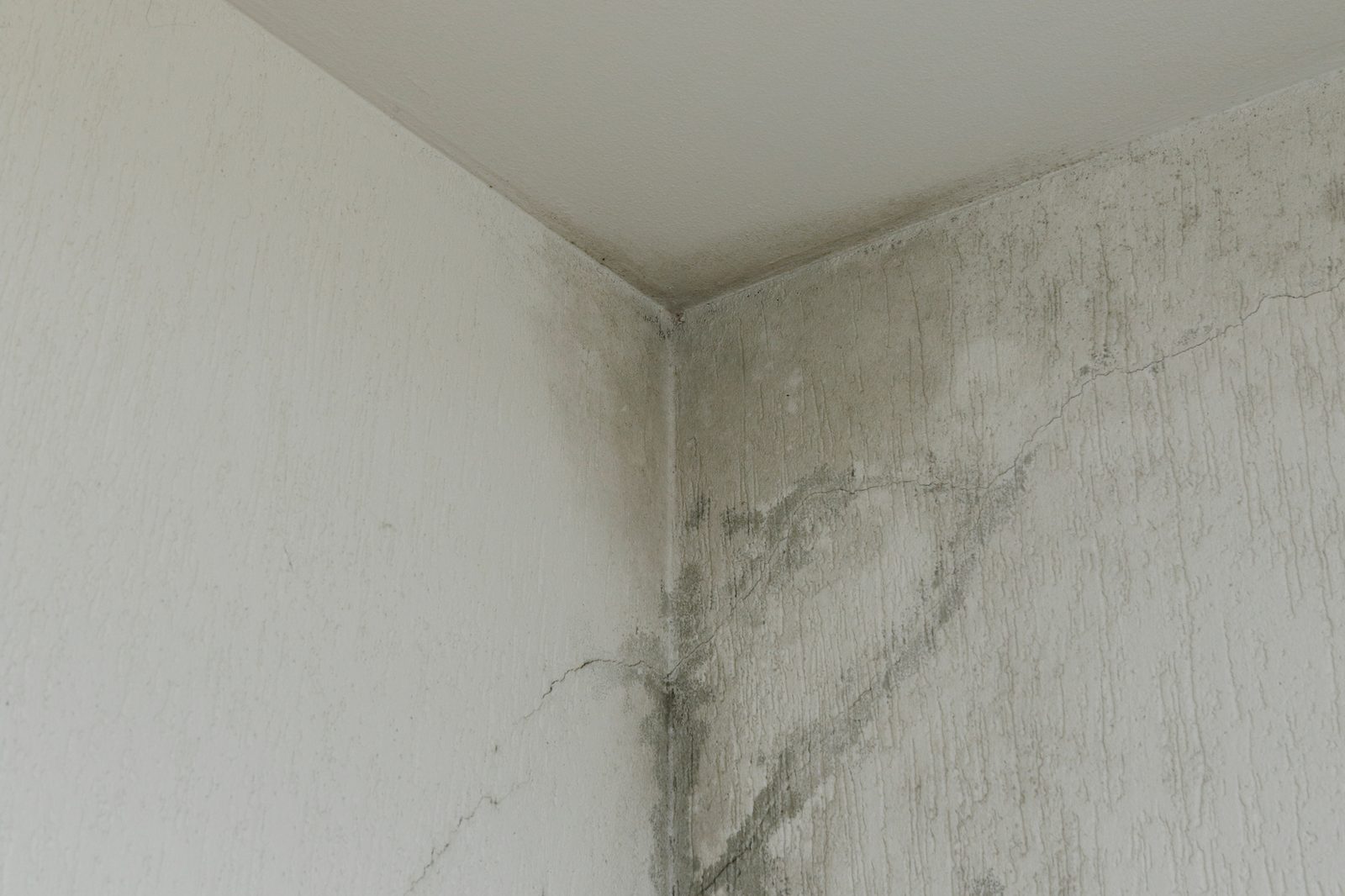
- In Texas, TDLR licenses mold assessment and mold remediation work under Occupations Code Chapter 1958.
- Texas rules do not allow one licensee to do both the assessment and the remediation on the same project.
- After a licensed remediation, the client gets a Certificate of Mold Damage Remediation no later than the 10th day after the project ends.
- Sellers must give buyers copies of certificates received in the preceding five years.
- Duct cleaning alone does not solve mold if the drip pan or duct keeps getting wet.
What should I do if a home inspection found mold in the air ducts in Cypress?
If a home inspection in Cypress flags possible mold in the air ducts, treat the note as a reason to look closer, not a final answer. A general home inspector usually reports what is visible. The next step is a proper look inside the air handler and the first runs of duct, plus a check of where the moisture is coming from.
Start by reading the exact wording in the report. Notes like "suspected microbial growth on supply registers" or "debris on the blower" are common, and they can mean very different things. Ask the inspector for photos. Then call to be connected with a local provider who can arrange a mold inspection with moisture readings, so both sides of the sale are working from facts.
Is air duct mold remediation in Cypress, TX different from regular duct cleaning?
Yes. Air duct mold remediation in Cypress, TX deals with growth and its moisture source, while routine duct cleaning mostly removes dust. Remediation can include containment, cleaning hard surfaces, removing wet liner or contaminated flex duct, and clearing the condensate drain so the problem does not return.
That difference matters in a sale. A buyer's agent may ask for "duct cleaning," but if the drip pan keeps holding water or the duct sweats in the attic, the smell can come back after closing. The HVAC and duct mold cleaning page explains what the work on the equipment itself usually covers. This page focuses on how that work fits into a home sale.
Who needs a Texas mold license for duct work during a sale?
The Texas Department of Licensing and Regulation (TDLR) regulates mold assessment and mold remediation businesses under Texas Occupations Code Chapter 1958 and the Texas Mold Assessment and Remediation Rules (16 Tex. Admin. Code, Chapter 78). Companies and individuals doing mold-related work must be licensed by TDLR unless an exemption applies.
A homeowner can take mold samples or clean up mold in their own home without a license. That exemption covers the owner, not a hired company. Once a seller hires someone for mold work, ask for their TDLR license and check it yourself. Licensed individuals must carry a current TDLR license certificate showing their license number, and anyone can look a license up with TDLR's online license search.
Need help now? Call to be connected with a local provider in Cypress who can check availability for your address.
Why can't the same company test and clean the ducts?
Texas mold rules prohibit one licensee from doing both the mold assessment and the mold remediation on the same project, to prevent conflicts of interest. So the person who writes the plan for your duct work should not be the one paid to carry it out.
For a seller, this split helps. A buyer is more likely to accept the result when an independent assessor wrote the protocol and later checked the work. Our mold removal vs. remediation guide covers why a full scope looks different from a quick wipe-down.
Does the 25 square foot rule apply to air ducts?
The 25 contiguous square foot line mostly affects paperwork and some exemptions, not whether the job should be done well. A licensed mold remediator must notify TDLR at least five days before a project begins, but there is no notification requirement for projects where mold affects less than 25 contiguous square feet.
Even on a smaller duct job, a licensed contractor must still follow the law and rules, including working from a protocol written by a licensed Mold Assessment Consultant. Only the notification is waived.
What happens during the visit?
The visit starts with an inspection. The provider opens the air handler panels where it is safe to do so, looks at the coil face, blower and drip pan, checks the condensate line, and looks at registers and the reachable runs of duct. Moisture readings and photos are part of it, so the seller, buyer and agents can all see the same findings.
Next comes an explanation of options. That might be cleaning hard metal surfaces, removing wet liner, replacing a contaminated section of flex duct, or simply clearing a drain line and drying things out. Mechanical repairs belong to a heating and cooling contractor, and the provider can note what that contractor should look at.
You should get a written quote before any work starts. In a sale, share that written scope with the other side so everyone agrees on what "done" means before anyone opens a duct.
What paperwork should a buyer ask for after the ducts are done?
Ask for the Certificate of Mold Damage Remediation. Texas requires the remediation contractor to sign and give it to the client no later than the 10th day after a mold remediation project ends, and the assessment consultant who did the post-remediation assessment must also sign it.
Sellers must give buyers copies of certificates received in the preceding five years. Under TDLR's consumer information sheet, a certificate showing the underlying cause was fixed keeps an insurer from making an underwriting decision based on that previous mold damage or claim. This is general information, not legal advice, so check details with your agent or attorney. Post-remediation clearance testing explains how the final check works.
How do sellers and buyers usually handle duct mold in the contract?
Most often, the seller either handles the work before closing or the parties agree on a credit or price change and the buyer handles it after. Which route makes sense depends on how much time is left, how big the scope is and how much each side trusts the other's plan.
- Seller handles it: the buyer usually wants the written protocol, the scope, and the signed certificate before closing.
- Buyer handles it: the buyer controls who does the work, but should get a written quote early so the numbers in the negotiation are real.
- Either way: fix the moisture source, not only the visible growth, or the issue may come back on the next humid summer.
If staining shows up on roof decking near the ducts, see attic mold remediation as well.
Why duct mold shows up so often in Cypress-area homes
Many homes around Cypress have the air handler and duct work in the attic, where cold metal meets humid air. Houston Intercontinental's 1991-2020 normal annual rainfall is 51.84 inches, and the Atlantic hurricane season runs from June 1 to November 30. Heavy rain and storms keep moisture high for much of the year.
Water events add to it. The Harris County Flood Control District says "A major flood occurs somewhere in Harris County about every two years," and that flooding can occur outside mapped floodplains. The Texas Department of Insurance warns that "Mold can start growing within a day after a leak." A home that took on water or had a long AC drain leak may show growth in the system later.
Calls for help with duct findings during sales come from across the area, including Cypress, Bridgeland, Towne Lake, Tomball, Jersey Village and Copperfield. Newer homes in places like Bridgeland can have drain or insulation issues too, so age alone does not rule it out.
Related pages
Questions people ask
What does air duct mold remediation in Cypress, TX involve?
It involves finding the moisture source, containing the work area, and cleaning or removing affected parts of the air handler and duct system. Hard metal can often be cleaned, while wet liner or contaminated flex duct usually needs to be removed and replaced.
My buyer's home inspection says there might be mold in my AC vents. What now?
Get a closer look before agreeing to any repair. Ask the inspector for photos, then call to be connected with a local provider who can check inside the air handler and take moisture readings so you know what you are dealing with.
Can I just have the ducts cleaned before closing and call it done?
Usually not, if the cause is still there. If the drip pan holds water or the duct sweats in the attic, growth can return, so the buyer will likely want to see that the moisture source was addressed.
Does Texas require a licensed company to remove mold from air ducts?
In most hired jobs, yes. TDLR licenses mold assessment and remediation work under Texas Occupations Code Chapter 1958, and companies doing mold-related work must be licensed unless an exemption applies.
Why do I need two different companies for mold testing and mold removal?
Texas rules do not let one licensee do both the assessment and the remediation on the same project. The split is meant to prevent conflicts of interest, since the person writing the plan is not the one paid to do the work.
What is a Certificate of Mold Damage Remediation?
It is a document the remediation contractor signs and gives to the client no later than the 10th day after a mold remediation project ends. The assessment consultant who did the post-remediation assessment must also sign it.
Do I have to tell a buyer about past mold remediation in Texas?
Sellers must give buyers copies of Certificates of Mold Damage Remediation received in the preceding five years. For other disclosure questions, talk with your real estate agent or an attorney.
Will mold in the ducts kill my home sale?
Not usually. Most buyers and sellers work it out with a clear written scope, a repair before closing or a negotiated credit, and paperwork that shows what was done.
Should the seller or the buyer pay for duct mold remediation?
That is a negotiation point, not a fixed rule. Some sellers handle the work before closing and some offer a credit instead, so ask your agent what is common for the situation.
Does homeowners insurance pay for mold in the air ducts?
It depends on the policy and the cause. Texas Department of Insurance guidance says mold on an item damaged in a covered loss would be covered, but most home policies don't include mold cleanup and testing after the damaged item is removed, so check your policy and document everything.
How does duct mold remediation affect insurance after I buy the house?
A certificate showing the underlying cause was fixed can help. TDLR's consumer sheet says such a certificate keeps an insurer from making an underwriting decision based on that previous mold damage or claim, but treat this as general information.
Can I keep running the AC while we sort out the duct mold?
In most cases, keeping humidity down matters, and turning the system off in a humid Cypress house can make moisture worse. Ask the provider during the visit whether any part of the system should stay off until the work is done.
What causes mold in air ducts in Houston-area homes?
The usual causes are a slow or blocked condensate drain, duct that sweats in a hot attic, and a closed-up house that stays humid. Leaks and storm water can add to it.
Does a new-build home in Bridgeland or Towne Lake get duct mold too?
It can. A drain line that was not sloped well, or duct with gaps in its insulation, can sweat and grow mold no matter how new the house is.
What should a written quote for duct mold remediation include?
It should say which parts of the system will be cleaned, which will be removed or replaced, how the work area will be contained, and what moisture problem needs to be addressed. Ask for it in writing before any work begins.
Talk to someone about your mold problem
Call to be connected with a local provider who can check availability for your address and explain the next step.