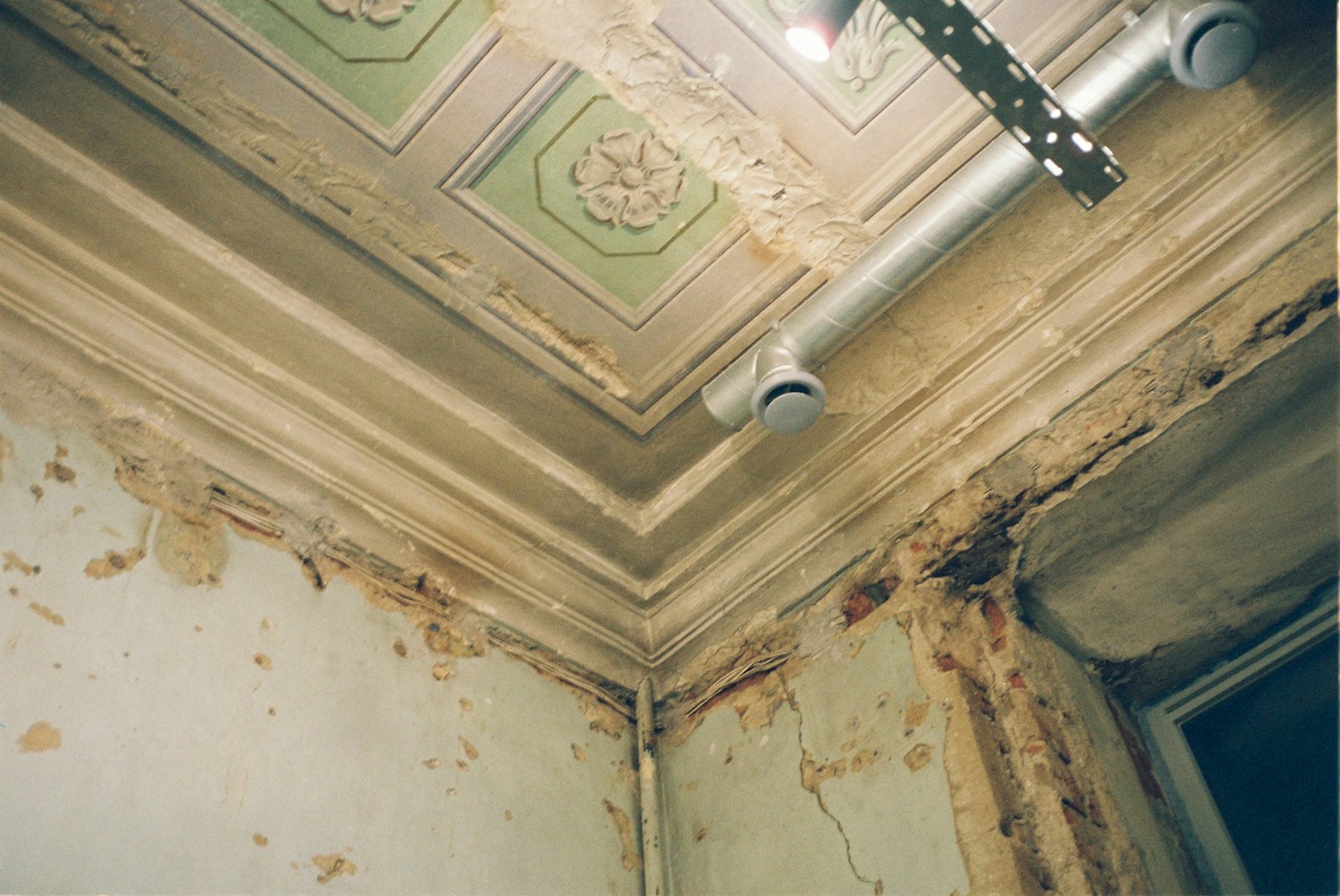
Mold After Water Damage
For houses that took water and were dried in a hurry, or not dried at all.
Mold After Water DamageSpring Creek and its tributaries have put water into homes here more than once, and a lot of the neighborhoods date from the 1970s through the 2000s. Independent providers inspect houses that flooded years ago as well as ones with a leak that started last month.
For houses that took water and were dried in a hurry, or not dried at all.
Mold After Water Damage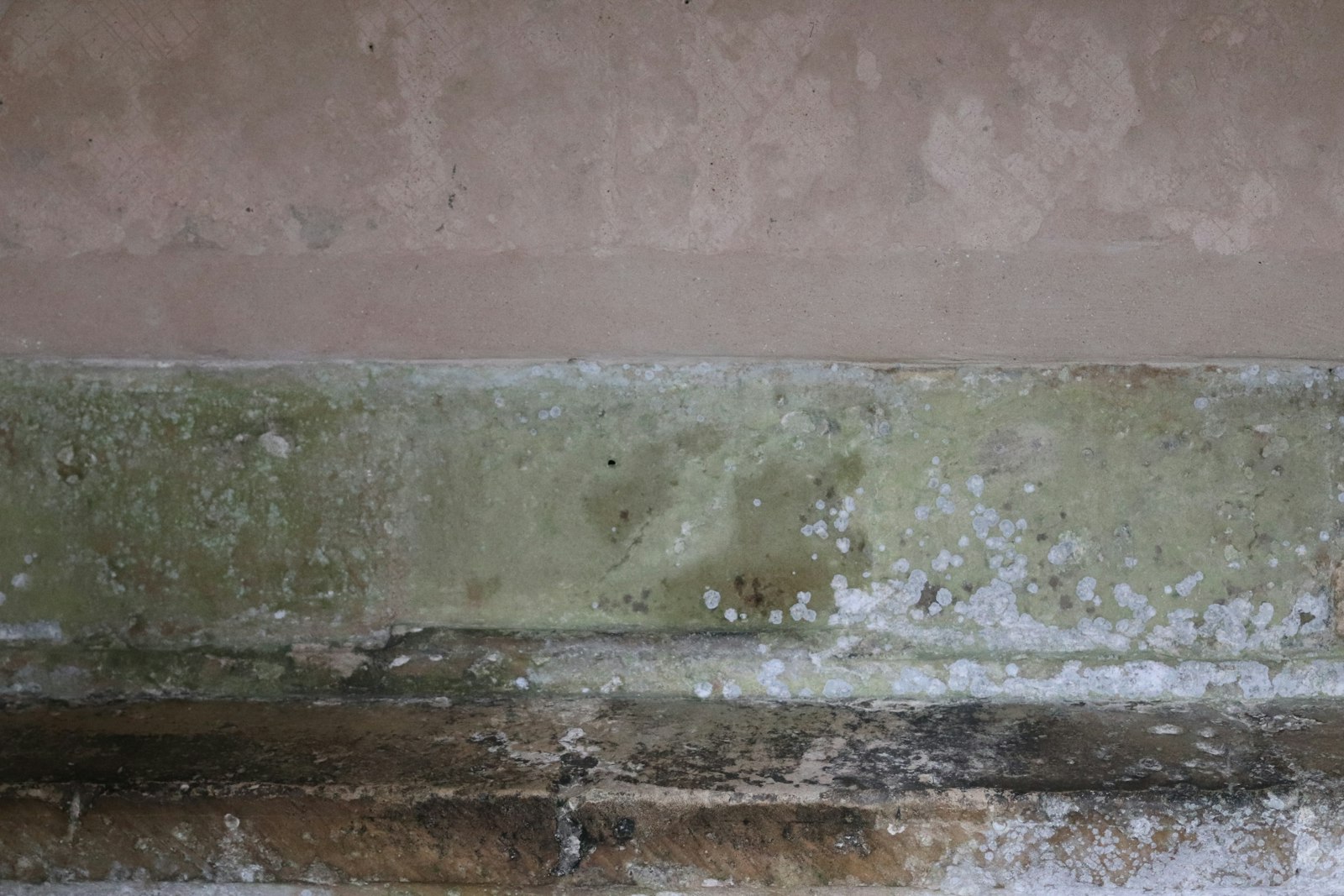
Readings across walls and floors to find where the old wet zone actually stops.
Mold Inspection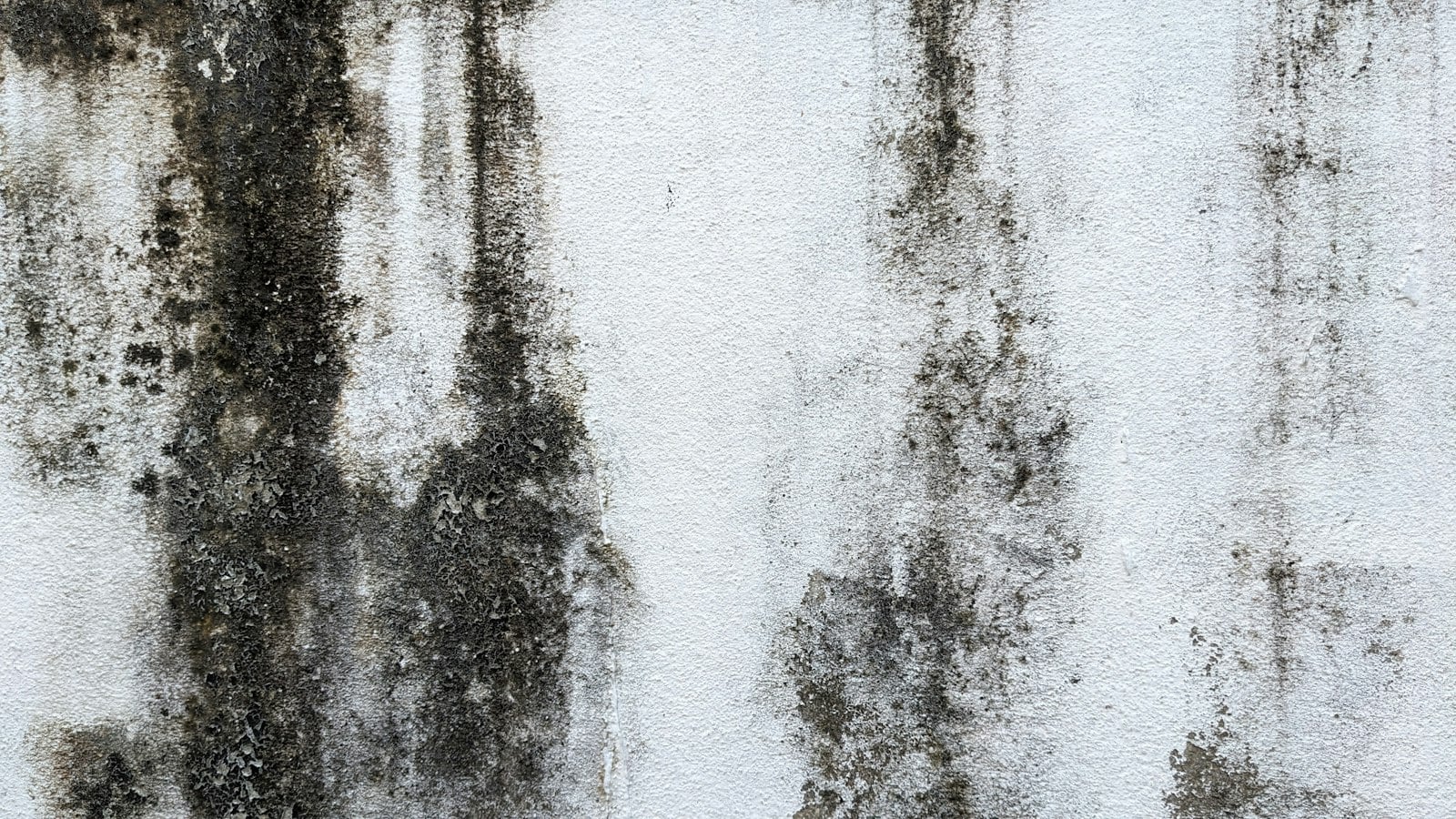
Containment, controlled removal and drying until the readings say the space is dry.
Mold RemovalA good part of Spring sits in the Spring Creek floodplain, and streets near the creek and along Cypresswood have had water inside. Many of those houses were repaired during very busy months, when crews were stretched and drying equipment was in short supply. That is exactly how a wall gets closed up while the insulation behind it is still damp, and it is why a house can smell musty years after the repair was signed off.
The other common Spring job is age. Homes built in the 1970s and 1980s are on original showers, original roofs and original attic duct work, and all three start letting moisture through at about the same stage of life. Mention the decade the house was built and whether it has ever flooded, because those two facts shape the whole inspection.
Even a single event years ago matters. Note how high the water came and which rooms were opened up during the repair.
If drywall was cut and replaced, note how high the cut line was. Anything left below or above it is worth checking.
Give the provider a window when someone can be there, plus gate or community access details if the property is in a gated section.
After a flood, the deciding question is not whether the surface is clean. It is whether anything porous behind the finishes stayed wet. Carpet pad, insulation, the lower few inches of drywall and the base of cabinets are the usual culprits on a slab-on-grade house.
Read removal versus remediation so you can compare quotes fairly, and mold after a flood for what usually gets missed. Referrals also cover mold remediation in Willowbrook and the rest of the Cypress area. The wooded neighborhoods immediately south of here are covered on the Klein mold remediation page.
The price follows the amount of affected material, the access and whether the rebuild is in scope. Ask the independent provider to take moisture readings at the property and put the findings and the price in writing before anything is opened up. See removal versus remediation.
Cypress Mold Remediation connects callers with independent providers throughout Spring, including neighborhoods along Spring Creek and Cypresswood. Call with the address and a description of the smell or staining, as explained on the contact page.
It depends on the provider and the property location. Inspections are appointments rather than emergency call-outs, so ask the independent provider to confirm a realistic window for your Spring address when you call.
If the water was clean and there is no electrical hazard, removing soaked carpet and pad early helps. If it was creek or storm water, wear gloves and leave the material where it is. Do not run the air conditioning after a flood, because the duct work spreads what is in the air.
Yes, and it is one of the most common mold problems here. If insulation inside a wall never dried, growth continues out of sight. A mold inspection with readings will show whether the cavity is still holding moisture.
It changes where to start. Near the creek, a provider will usually look first at the bottom of the walls, the slab, cabinet bases and any room that was rebuilt after a flood. Away from it, attic condensation and plumbing leaks are the more likely finding.
Call with the address, the decade the house was built and any flood history.