Sealed containment
The area is sheeted off and kept under negative pressure before anything is disturbed. Cutting into long-wet material without containment is how a one-room problem becomes a whole-house problem.
Dark growth on material that has been wet a long time worries people, and it should be taken seriously. It is also handled the same careful way regardless of which species it turns out to be. An independent provider contains the area, removes the affected material and addresses the water.
The name usually refers to Stachybotrys chartarum. Plenty of other growth is dark too, and color alone cannot identify a species. It can irritate, and people with asthma or allergies may react to it, but nothing on this page diagnoses anyone. Health questions belong with a doctor.
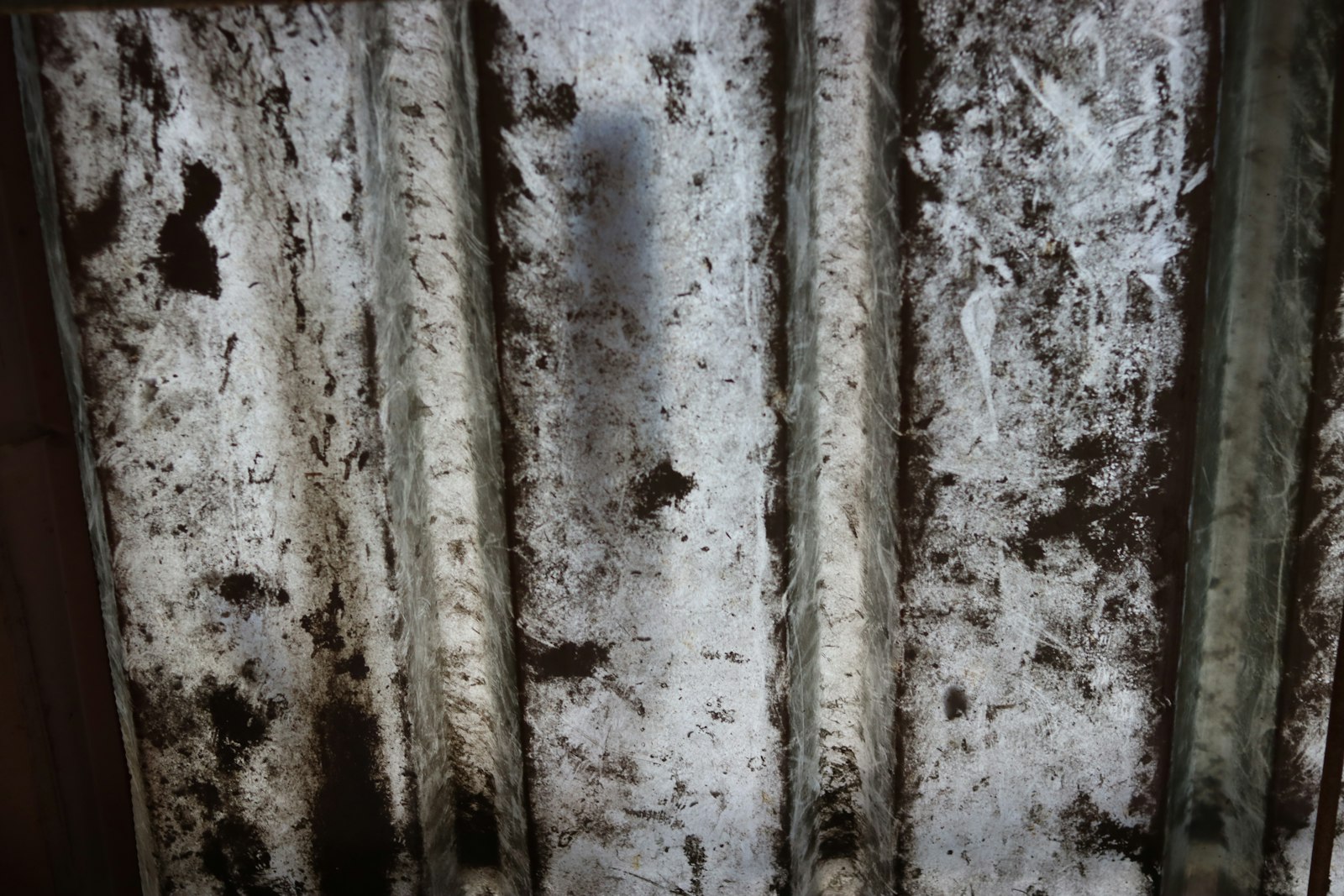
Because the species does not change the method, the scope is built around how much material is affected and how long it has been wet.
The area is sheeted off and kept under negative pressure before anything is disturbed. Cutting into long-wet material without containment is how a one-room problem becomes a whole-house problem.
Crews work in respirators, gloves and suits. That is a reason to leave the area alone rather than attacking it yourself with a spray bottle and a rag.
Saturated drywall, insulation and trim are cut back to dry material, bagged inside the containment and removed along a planned route out of the building.
Growth this dark almost always means a long-running leak. Finding and stopping it is part of the job, not an optional extra to sort out later.
You do not need a lab result to justify a cleanup you can see. If dark growth is spreading across drywall, the material comes out either way. Sampling makes sense when nothing is visible, when a landlord, a buyer or an insurer wants documentation, or when you want a record of what the property looked like before and after the work.
Texas licenses mold assessment and mold remediation, and on larger jobs the assessor and the remediator have to be separate parties. Ask which role a company is filling and which license numbers will be on the paperwork before you agree to anything.
If you are not sure how far it goes, start with a mold inspection. The full process is described under mold removal, and removal versus remediation explains why a surface clean is not the same job. Where a leak or flood started it, see mold after water damage, or read the guide to what black mold really means.
The price follows the amount of affected material, not the color of the growth. Area, access, containment and whether the rebuild is included all matter. Ask the independent provider to inspect first and give you the scope and the price in writing.
It can irritate, and people with asthma or allergies may react to it. That is a reason to keep out of the area and to have it cleaned up properly, but questions about symptoms belong with a doctor rather than a remediation company.
Not on porous material. Bleach may lighten the surface while the growth continues inside the drywall or wood, and scrubbing releases spores into the air of a closed-up house. Keep the door shut and let it be inspected first.
Not usually. Visible growth on wet material gets removed regardless of species. Testing is worth it when nothing is visible or when someone else needs documentation. See what an inspection covers.
Describe what it looks like and how long the area has been wet.