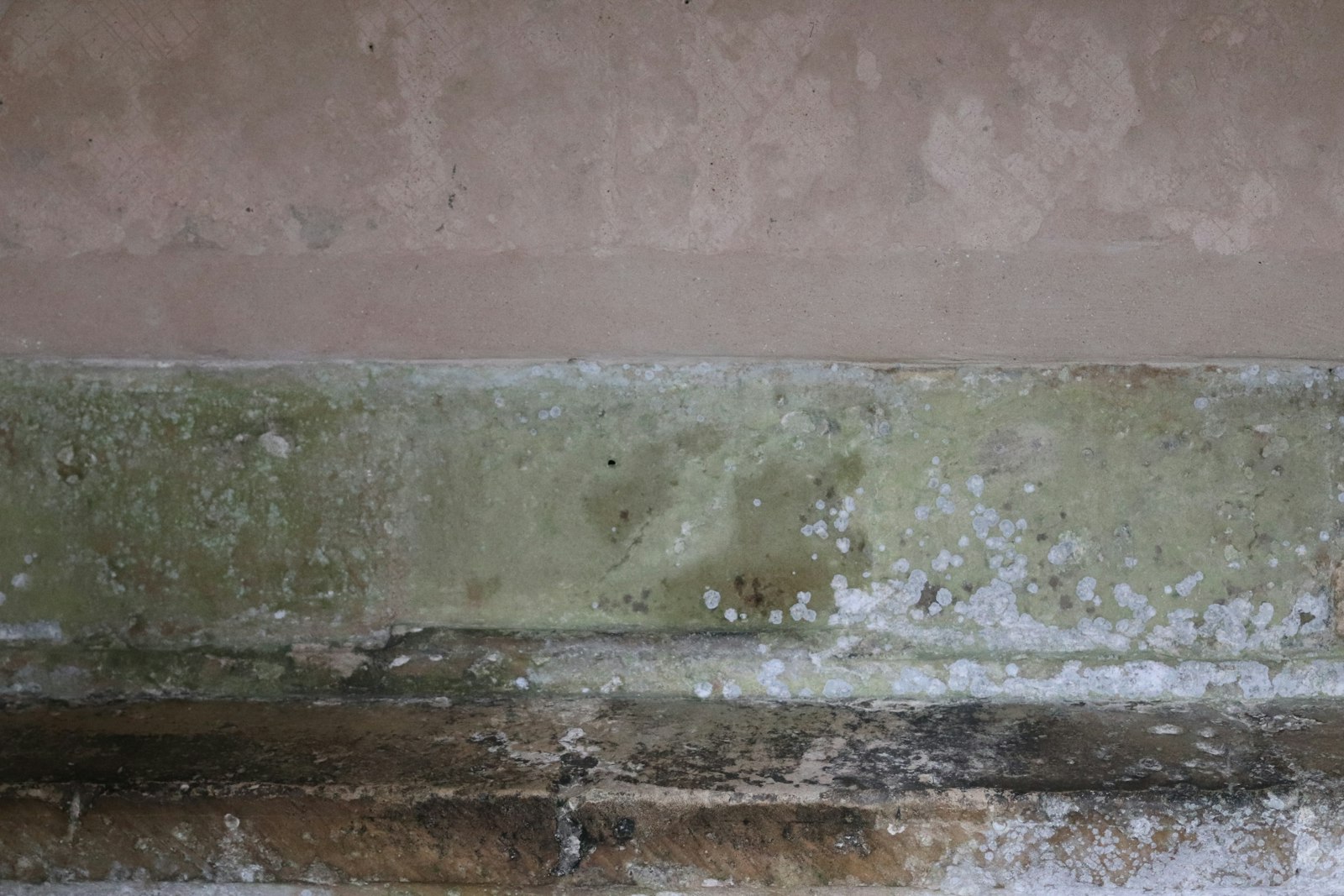
Mold Inspection
Before anyone quotes a cleanup, somebody has to find the wet material and measure how far it spreads.
Mold InspectionA musty smell, dark speckling on drywall or staining that keeps coming back all point to the same thing: water is getting somewhere it should not. Cypress Mold Remediation connects you with independent mold remediation providers. Availability varies by provider; ask for a written quote before anything is torn out.
Before anyone quotes a cleanup, somebody has to find the wet material and measure how far it spreads.
Mold Inspection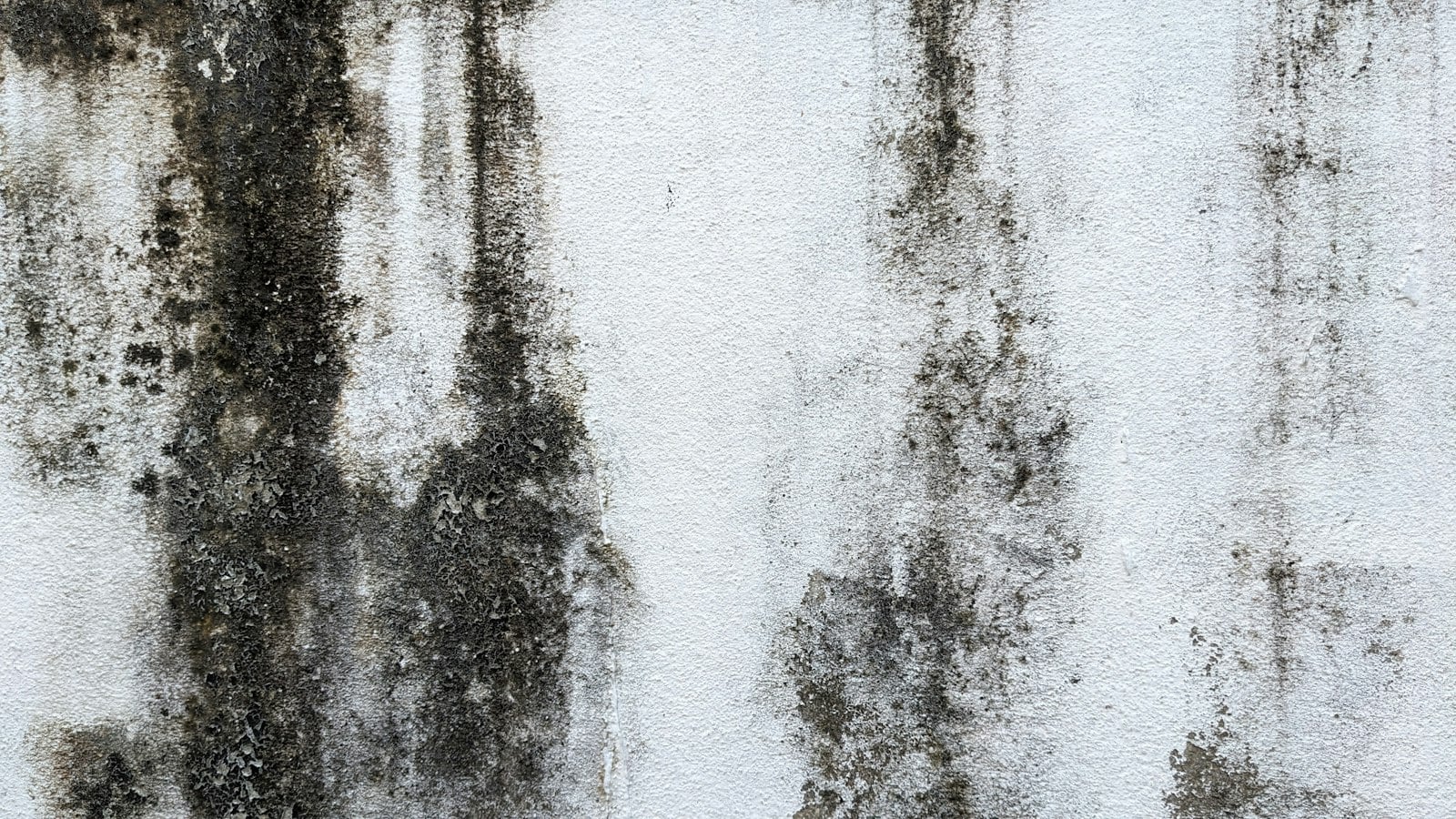
Sealed-off work areas, filtered air and careful disposal, so spores are not spread through the rest of the house.
Mold Removal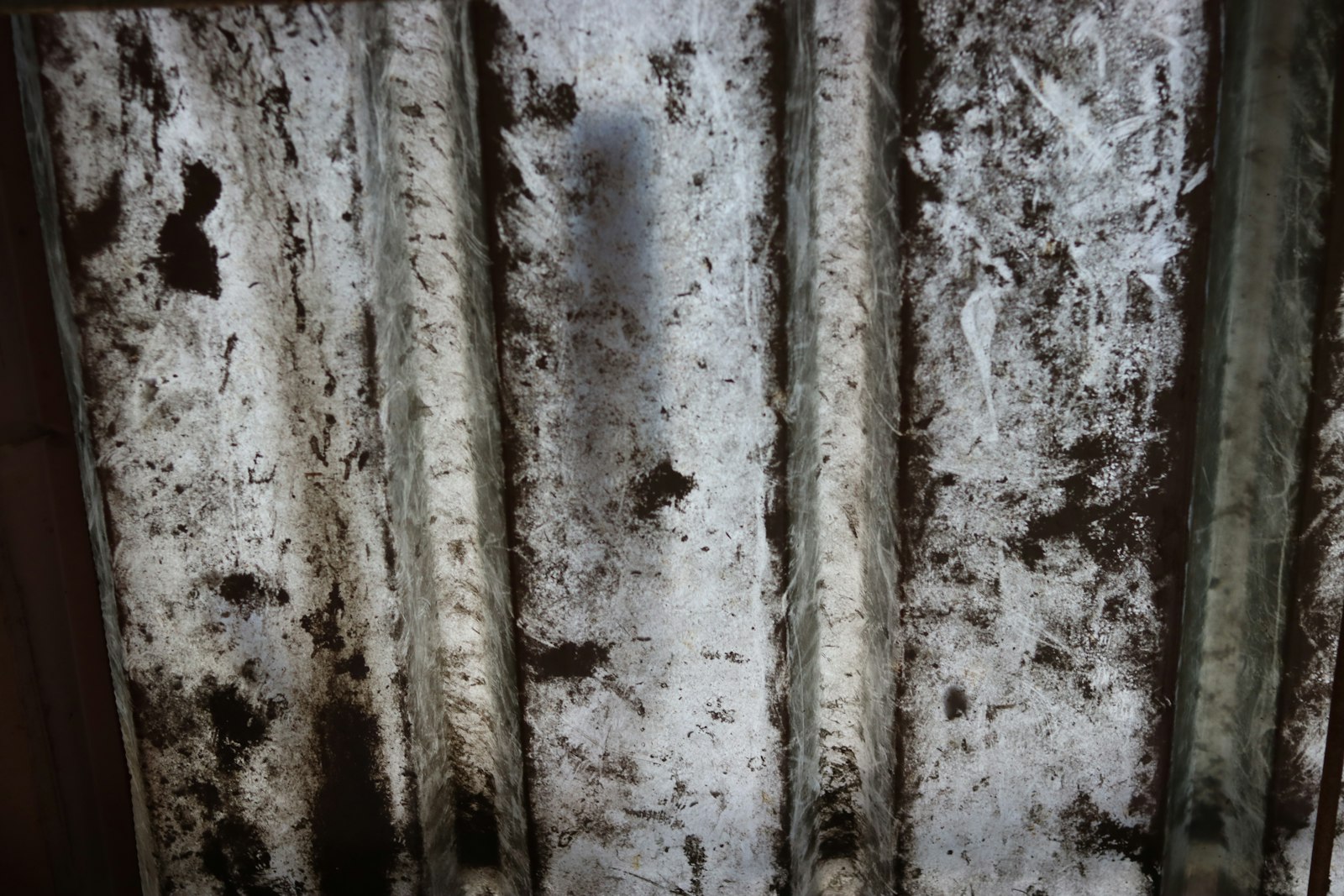
Dark growth on long-wet material is handled the same careful way, whatever the species turns out to be.
Black Mold Removal
A Cypress attic swings from cool conditioned air below to brutal heat above. Condensation follows.
Attic Mold Remediation
Growth around a shower, a vanity or under a sink is common, and it is not always only surface deep.
Bathroom and Kitchen Mold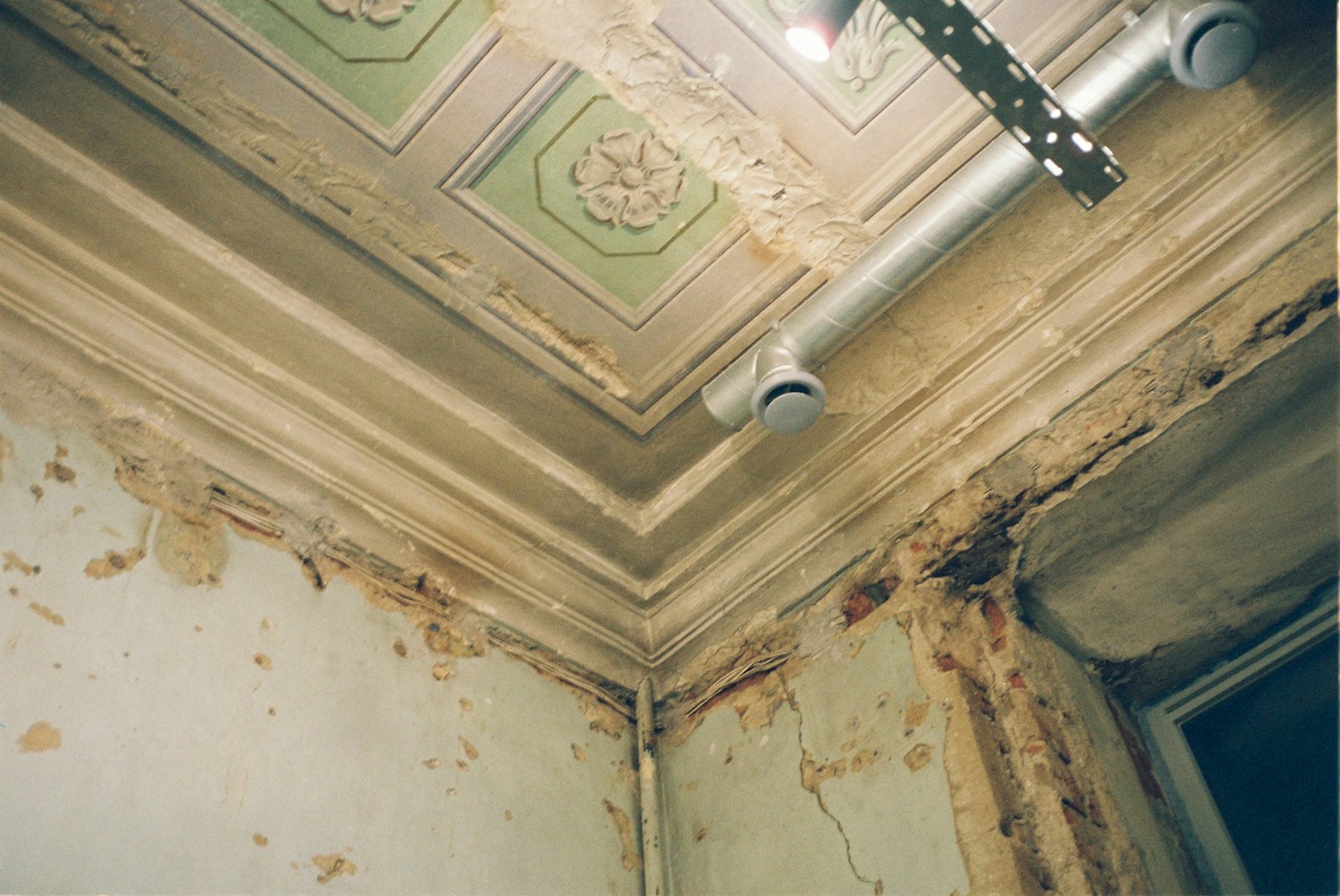
Wet drywall, wet insulation and wet flooring left in place are where growth starts after a leak.
Mold After Water Damage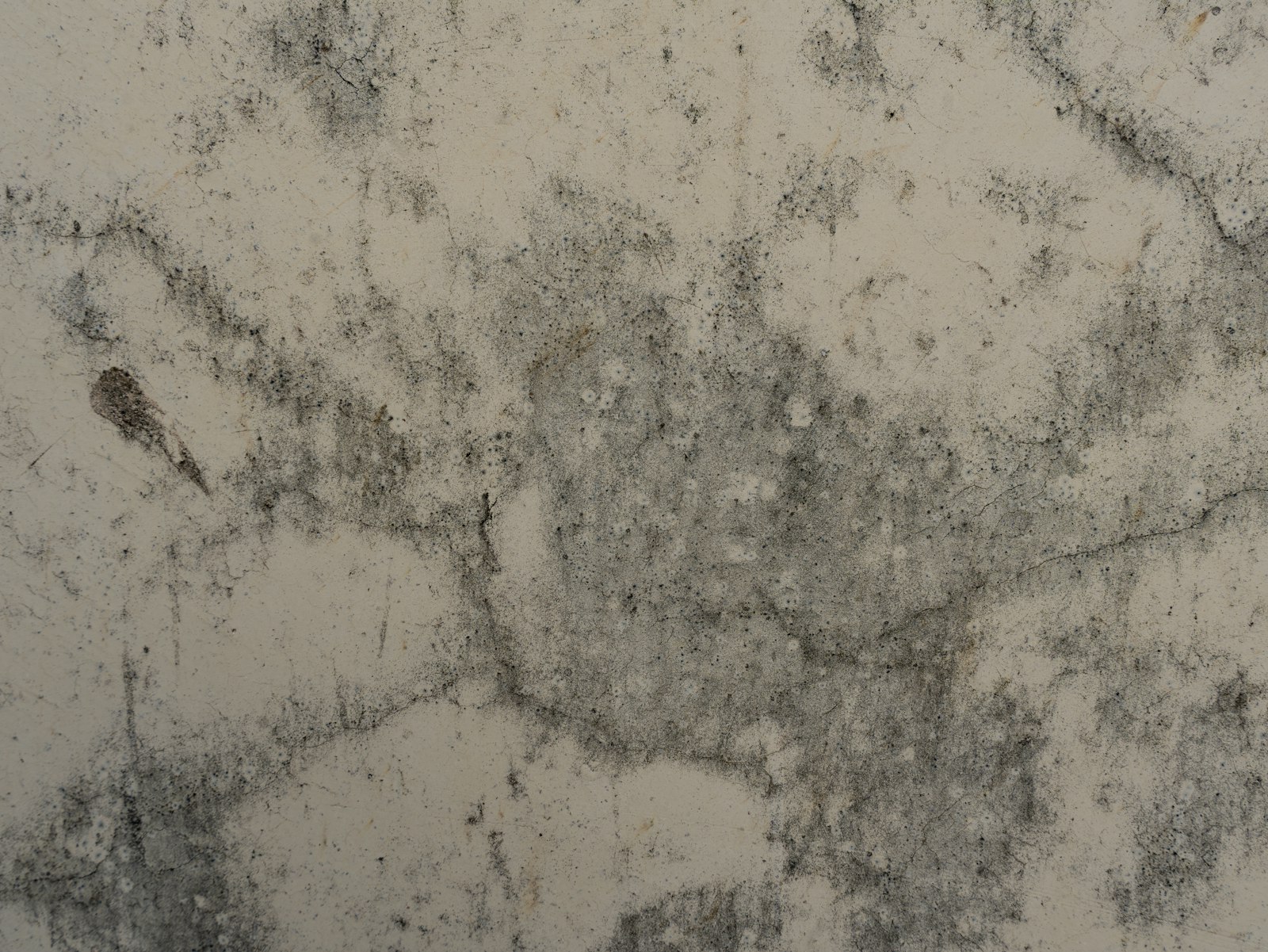
Offices, clinics, restaurants and rental property, scheduled around the hours the building is in use.
Commercial Mold Remediation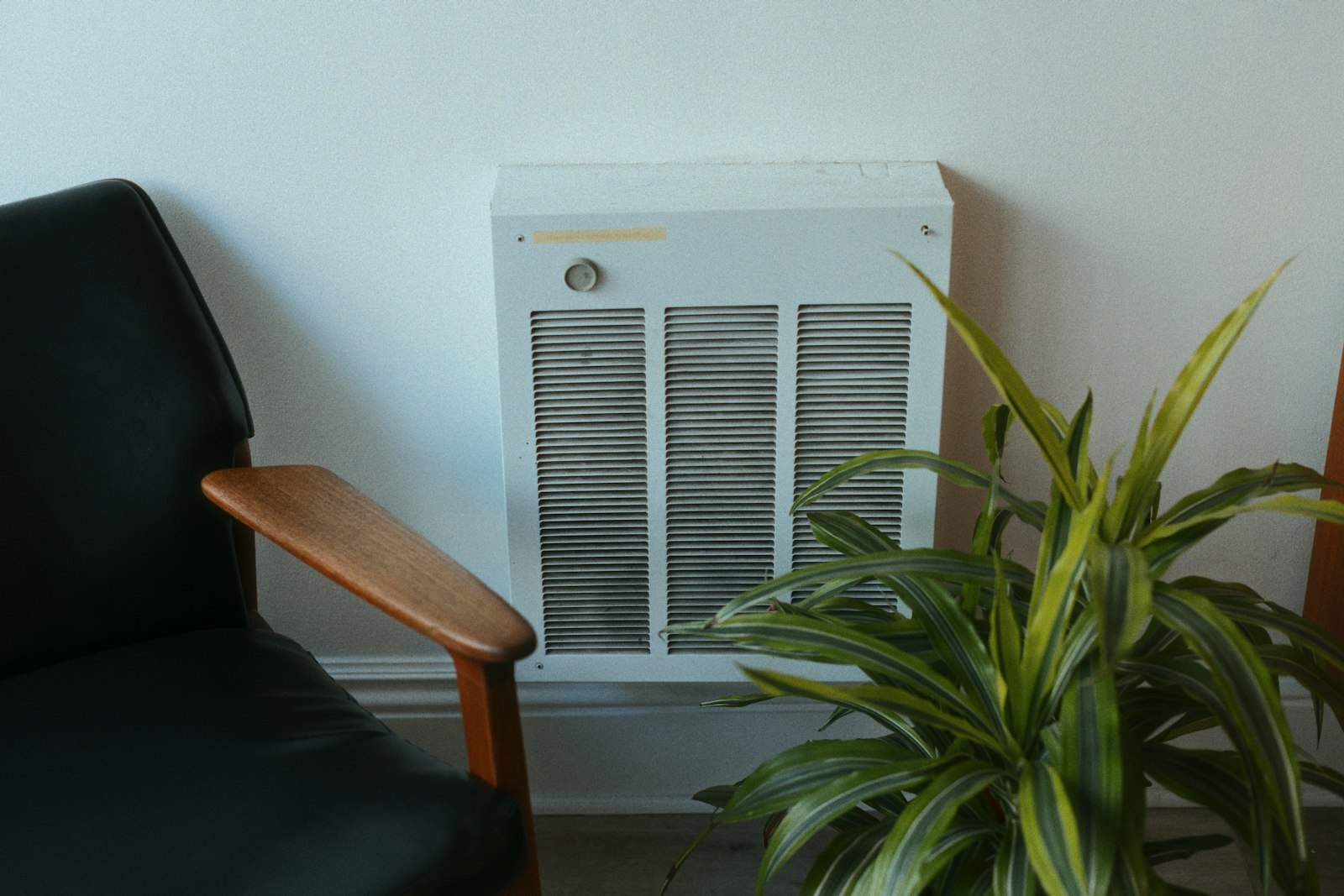
When the musty smell shows up seconds after the air conditioning starts, the system itself is worth opening up.
HVAC and Duct Mold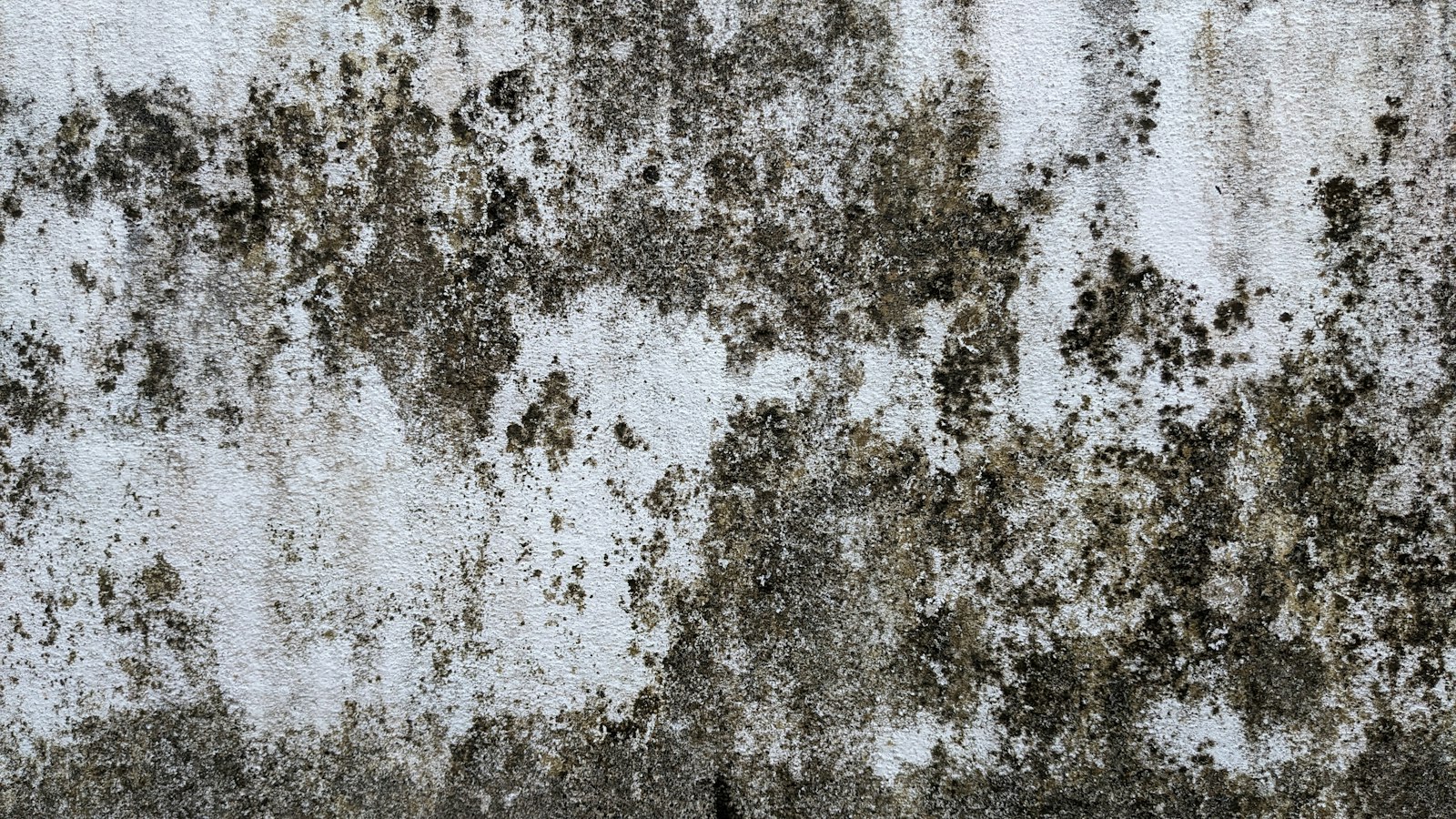
The check that says the work area was actually finished, done before the containment comes down.
Clearance TestingCleaning a wall without stopping what wet it only buys a few months. The visit starts with where the moisture is coming in, whether that is a roof, a supply line, a shower pan or condensation on duct work.
Ask the provider to show what is affected, what has to come out and what can stay. A written quote should cover containment, removal, cleaning and disposal, and you approve it before anyone opens a wall.
Texas licenses mold assessment and mold remediation, and on larger jobs the state keeps the assessor and the remediator separate. Ask for the license numbers that will appear on your paperwork.
Cypress sits in flat, unincorporated northwest Harris County where the air is humid most of the year and Cypress Creek has flooded more than once. Houses here are slab-on-grade, so water from a leak or a storm runs sideways across the floor instead of draining away, and it soaks baseboards, carpet pad and the bottom of the drywall on its way.
The smell usually arrives before the stain does. It often means growth behind a wall, under flooring or inside a duct chase where nobody has looked yet.
What to look for
Speckling on caulk and grout can be surface growth. Soft drywall behind the tile, or a stain on the ceiling below, means water has been getting past the surface.
Bathroom mold help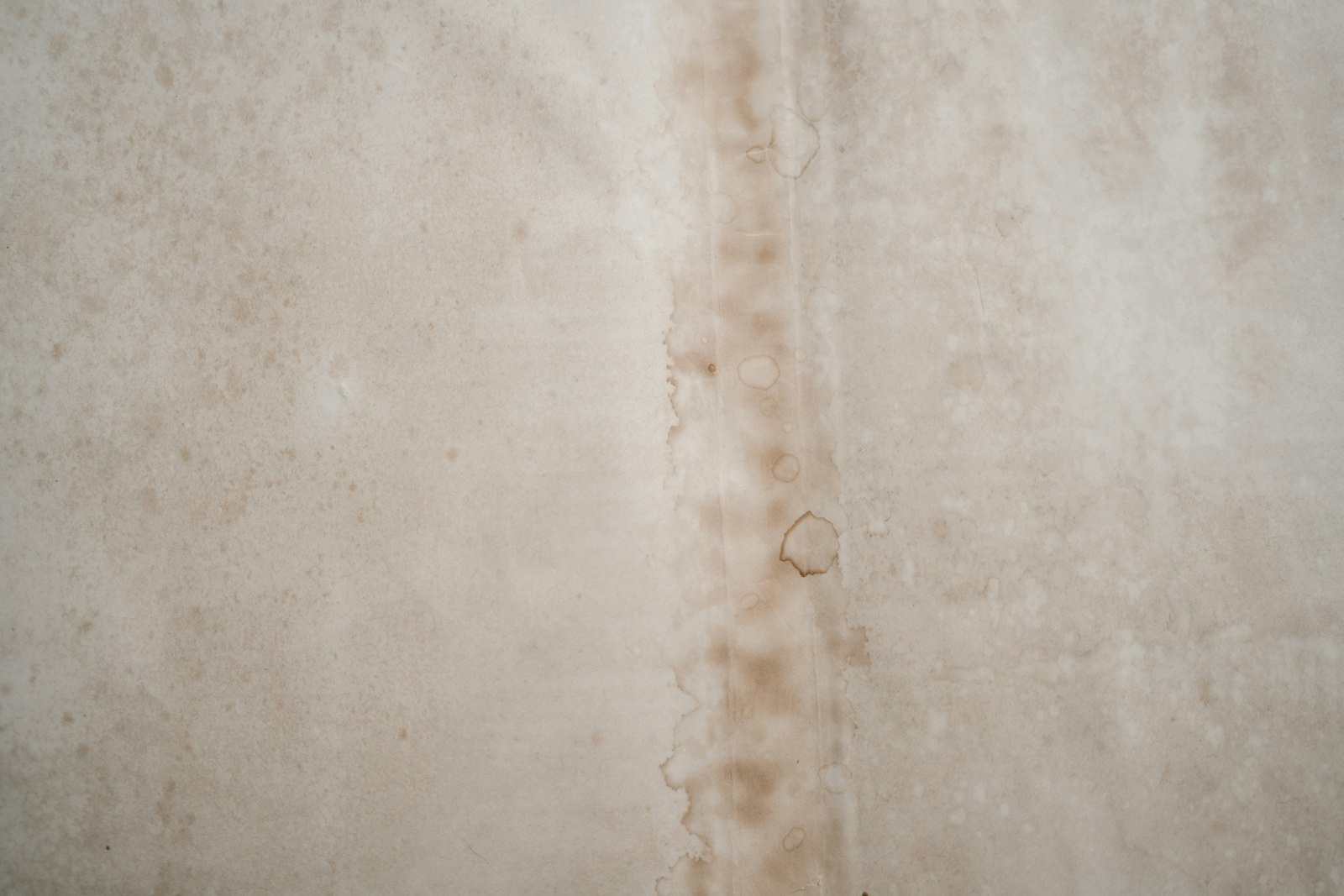
A ring on the ceiling or a dark line along the baseboard says water sat there. What matters now is whether the material behind it ever dried out.
After a leakGray or black patches on the underside of roof sheathing are a common find in this climate, and the cause is usually ventilation or a cold surface, not the roof leaking.
Attic mold help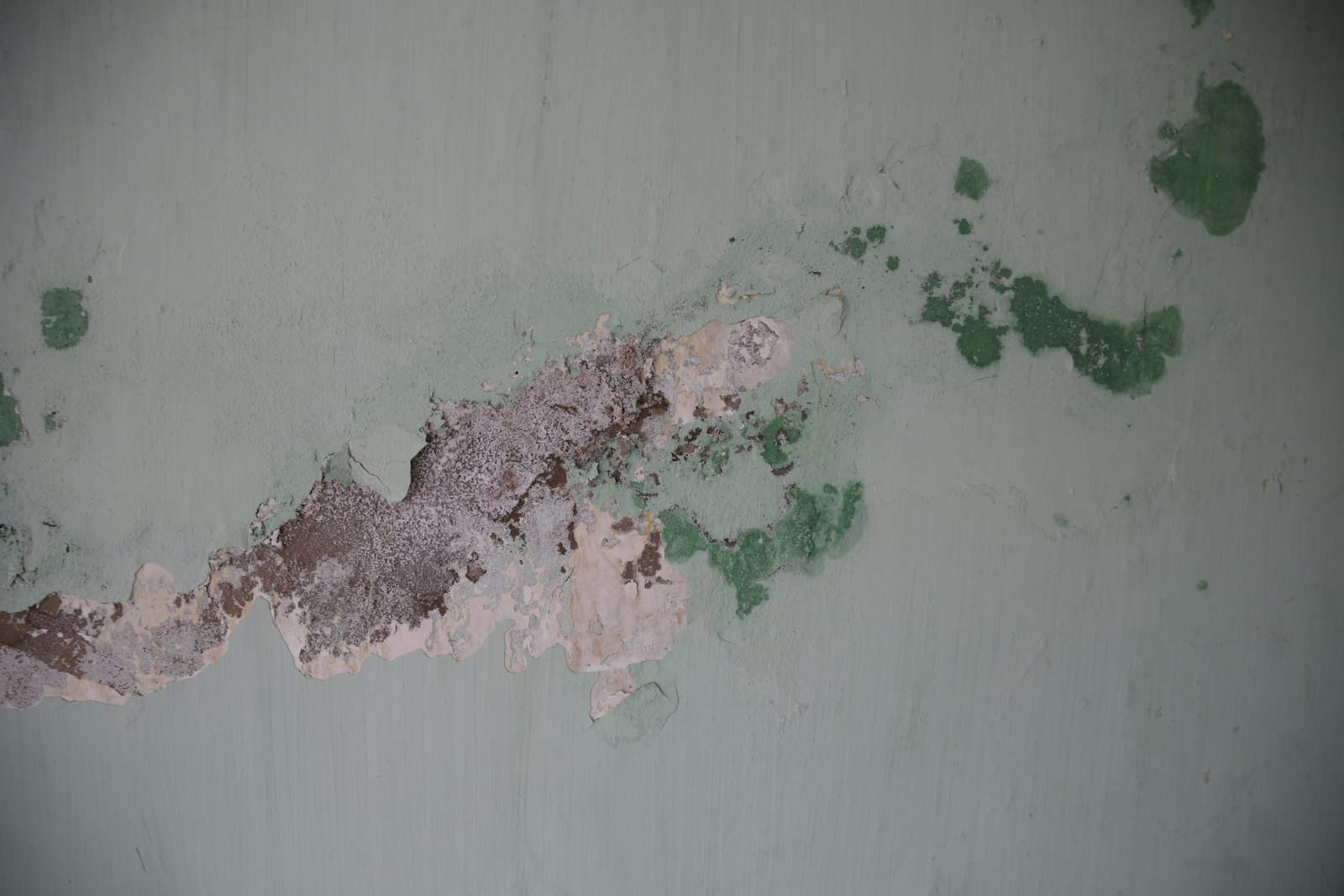
People mean Stachybotrys when they say black mold, but plenty of harmless-looking growth is dark too. The color does not decide how the cleanup is done.
Black mold factsSome jobs are a clean-and-dry. Others mean cutting out material and rebuilding. Knowing which one you are looking at changes the quote completely.
Removal or remediationDescribe where the smell or staining is, when you first noticed it and whether there has been a leak, a storm or a slow drip behind it.
Give the property address and the times someone can be there. Inspections are appointments, so agree a window with the provider; nobody should arrive unannounced.
Ask the provider for the findings, the moisture source, what has to be removed and what it costs. Nothing should be opened up until you say go ahead.
The work area is sealed, the affected material is removed and bagged, surfaces are cleaned and the space is dried before containment comes down.
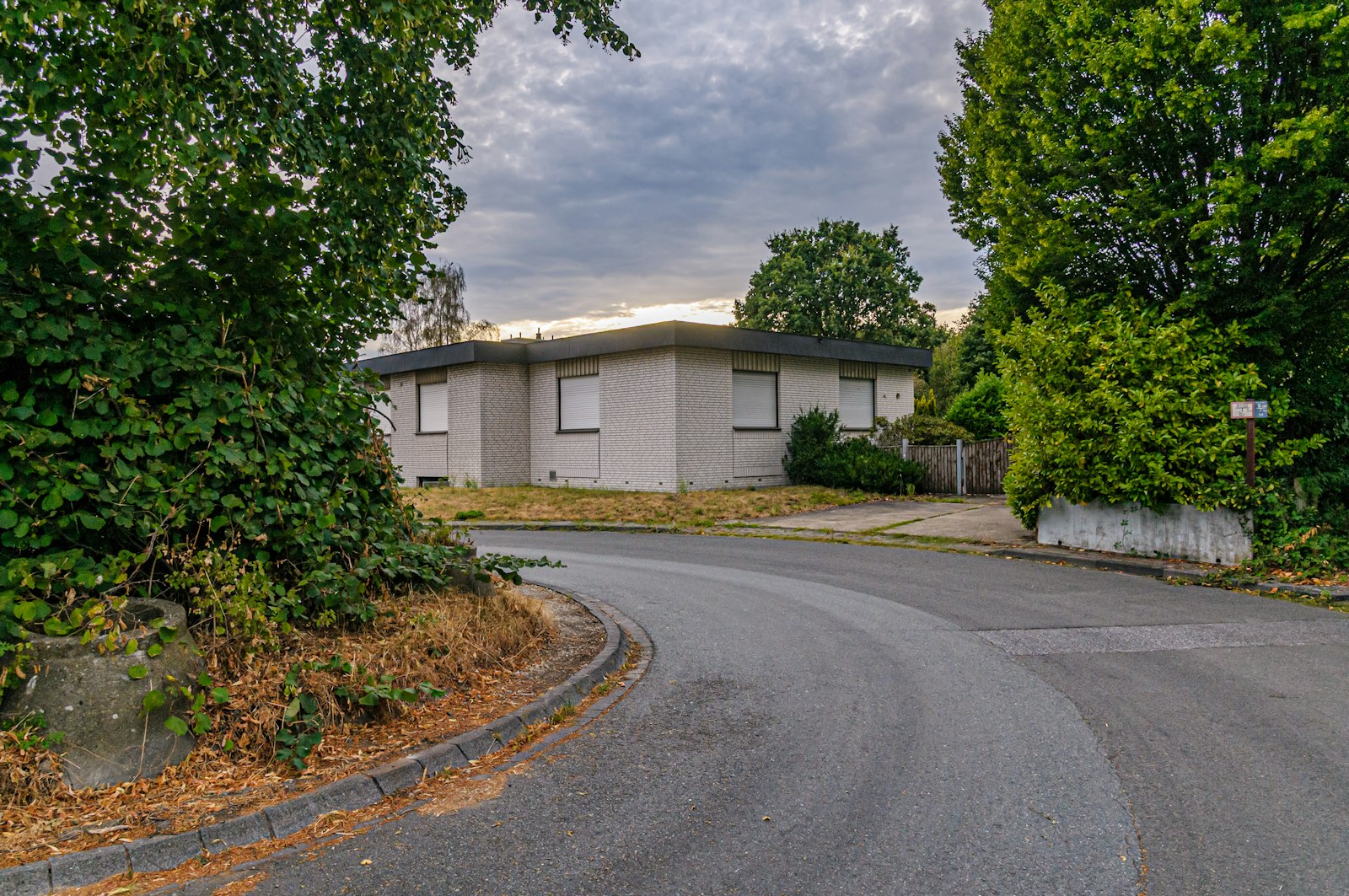
An older core near the railroad and downtown, ringed by subdivisions that are barely a decade old. The two ages of house fail in completely different places.
View Tomball service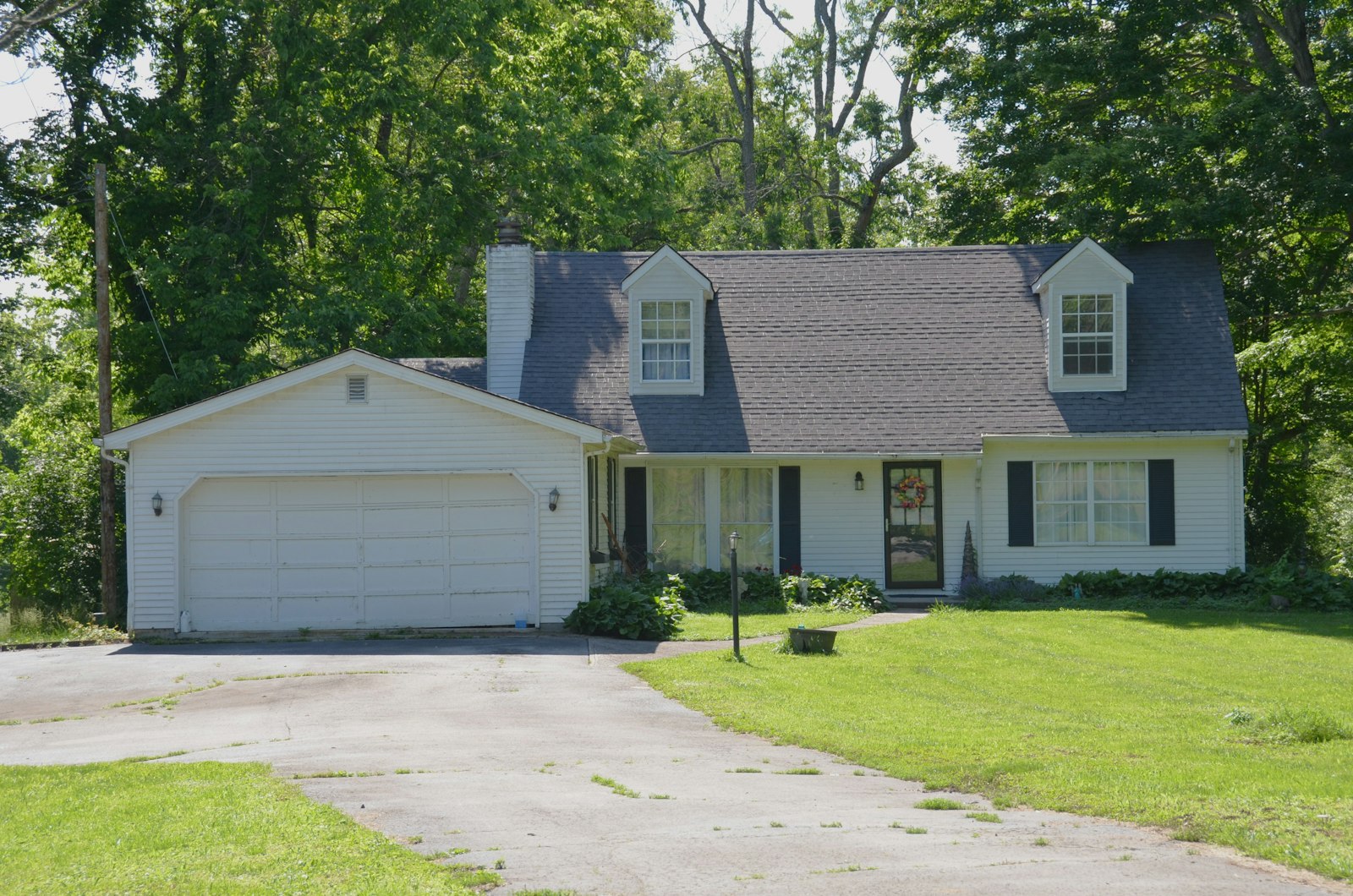
Neighborhoods along Spring Creek and Cypresswood have taken water more than once, and a lot of the housing stock dates from the 1970s through the 2000s.
View Spring service
White Oak Bayou runs right through town and the city has been through repeat flooding. Homes that took water years ago sometimes still smell of it.
View Jersey Village serviceMaster-planned neighborhoods west along I-10, plus reservoir-adjacent streets where flooding left long-term moisture problems behind.
View Katy serviceNewer houses are tight, and tight houses hold humidity. New construction does not make a home immune to a supply line or a sweating duct.
View Bridgeland serviceHomes built around the lake live with water on the doorstep and high humidity year round, which shows up in attics and around windows.
View Towne Lake serviceThe 1980s and 1990s neighborhoods around FM 1960 are now at the age where original showers, roofs and duct work start letting moisture through.
View Willowbrook serviceWooded subdivisions off FM 1960 built from the 1970s onward. Shade keeps roofs and walls damp long after the rain stops.
View Klein serviceA 1980s master-planned community off US-290, where original showers, roofs and duct work are all wearing out together.
View Copperfield serviceThere is no single price, because the price follows how much material has to come out. Area affected, how hard it is to reach, whether containment has to go up around occupied rooms and whether the rebuild is included all move the number. Ask the independent provider to take moisture readings and give you the scope and the price in writing before anything is opened up. Compare removal and remediation.
A musty smell you can walk toward, staining or bubbling paint in one patch, soft drywall near the floor, or growth that keeps returning after cleaning. Any of those is worth checking. The smell usually arrives before anything is visible. Read the signs of hidden mold.
Cypress Mold Remediation connects callers with independent mold remediation providers across Cypress and the surrounding communities. Give the full property address when you call, so the provider can confirm coverage and availability. See the service areas.
Dark growth on long-wet material should be taken seriously, but color alone does not identify a species. Mold can irritate, and people with asthma or allergies may react, so keep out of the area and leave symptoms to a doctor. The cleanup method is the same either way. Read about black mold removal.
A small patch of surface growth on tile, glass or sealed stone can be cleaned yourself with good ventilation. Anything on drywall, insulation, carpet pad or cabinet particleboard needs containment, because scrubbing it sends spores through the rest of the house. See what professional removal involves.
Because something is still wet. Cleaning removes the growth but not the moisture feeding it, so it returns on the same surface within weeks. Finding and stopping the water is the part that makes the cleanup last. See what an inspection covers.
It depends on how much material comes out and how long the space takes to dry, and drying runs to a moisture reading rather than to a fixed schedule. Ask the provider for a realistic timeline once the extent is known, not before. See how the process runs.
It can, especially where the air handler, returns and duct work are in the attic, or where there are gaps around ceiling fixtures and the hatch. That is one reason attic work is contained and the hatch sealed during the job. Read about attic mold remediation.
If growth is visible, an inspection with moisture readings usually tells you everything needed to scope the work, and a lab result would not change what has to come out. Testing helps when nothing is visible or when a landlord, buyer or insurer needs documentation. Read about mold inspection.
Inspections are scheduled appointments rather than emergency call-outs, so availability depends on the provider and the property location. Call with the address and what you are seeing, and ask the provider to confirm a realistic time. Call about an inspection.
Call and describe what you can see and smell, and when the moisture started.