Mapping the old wet zone
Readings along walls and floors show how far the water traveled, which is usually further than the visible staining and often into an adjoining room.
Water that sat for a day or two in this climate is enough to start growth. Independent providers handle the mold that shows up after a leak, a storm or a flood, including the jobs where the water was mopped up quickly but the materials underneath never dried.
On a slab-on-grade house, spilled or storm water spreads across the floor and wicks up into the wall. Carpet can look dry on top while the pad underneath and the bottom of the drywall stay wet for weeks.
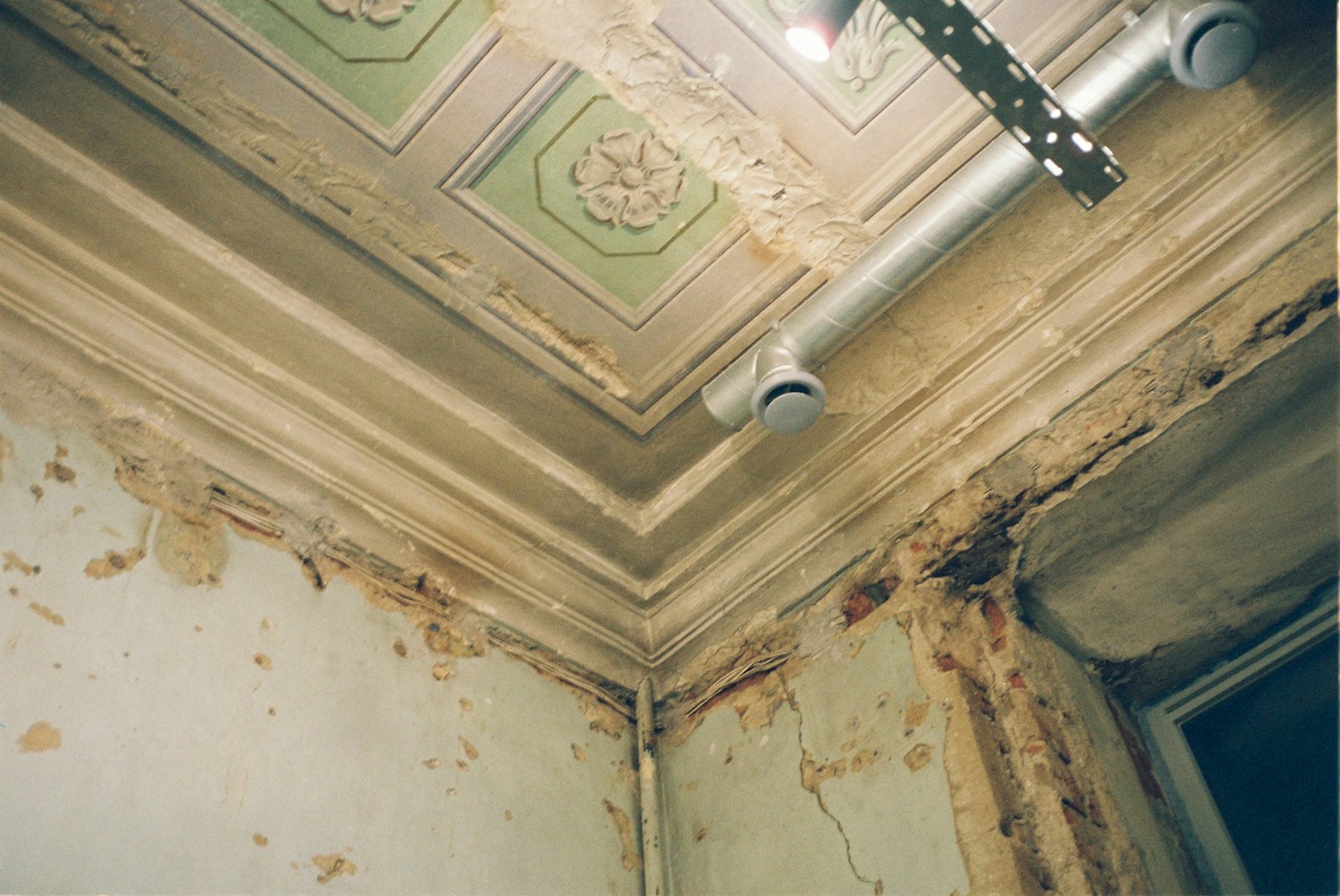
This page covers the mold side of the job. If water is still actively coming in, stopping that comes first.
Readings along walls and floors show how far the water traveled, which is usually further than the visible staining and often into an adjoining room.
Drywall, insulation, baseboard and carpet pad in the affected band are removed inside containment. Cut lines are set by the readings, not by the stain.
Framing, slab and any remaining materials are dried with equipment that stays until readings confirm the space is dry, not until the room feels dry.
Findings, photographs and a written scope give you a record to hand to a landlord, an insurer or a buyer. Whether a claim is approved is always the insurer's decision.
Keep away from standing water where outlets, cords or appliances are involved, and do not run the air conditioning if the house has taken floodwater or sewage, because the duct work will carry contamination around the building. Wear gloves if you are moving wet contents, and do not keep soaked carpet pad, mattresses or upholstered furniture on the hope that they will dry out.
Cypress knows this problem. Harvey in 2017 put water into homes across this part of Harris County, Cypress Creek has flooded since, and plenty of houses were repaired fast by whoever was available in a very busy month. A repaired wall that still smells is not unusual, and it is worth having looked at properly.
If you want to know how far it goes before committing, start with a mold inspection. The cleanup process is described under mold removal, and removal versus remediation explains what a scope should contain. The guide to mold after a flood covers the first days, and the service areas page lists the neighborhoods covered.
In a warm, humid house it can begin within a couple of days on wet drywall, carpet pad or insulation. That is why drying matters more than mopping, and why a fast clean-up does not always prevent growth.
Because the surface dried and the material behind it did not. Wet insulation inside a wall stays damp for a long time in this climate. Readings will show whether the cavity is still wet. See what an inspection covers.
That depends entirely on your policy and how the water got in, and only your insurer can answer it. What helps is documentation: photographs, the findings and a written scope. Ask the provider for that record; the claim decision belongs to your insurer.
If the water was clean and there is no electrical risk, removing soaked carpet and pad early helps. If it was floodwater or sewage, leave it and wear gloves around it. Call about an inspection before cutting into walls.
Mention when the water came in and what was done about it at the time.