Black Mold: What to Know
The phrase carries a lot of fear and not much precision. Cypress Mold Remediation sets out what people usually mean by black mold, what the color does and does not tell you, and how a cleanup in a Cypress home is actually decided.
- Independent Pros
- Mold Referral Service
- Residential & Commercial
By Cypress Mold Remediation · Updated September 2026
What the Term Usually Means
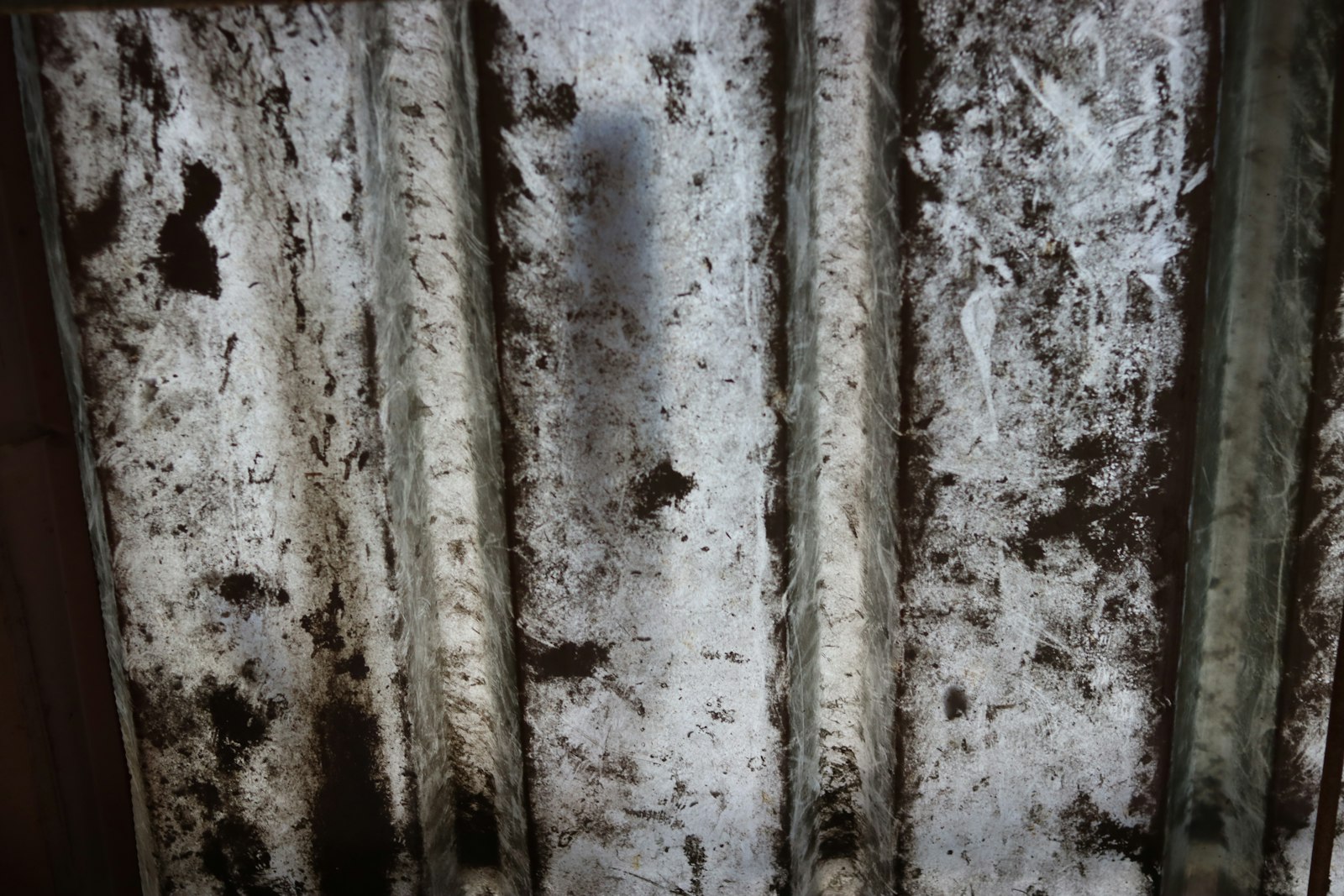
When people say black mold they generally mean Stachybotrys chartarum. It is a dark green to black growth that favors material with a high cellulose content which has been wet for a sustained period: the paper face of drywall, ceiling tiles, cardboard, damp wood. It tends to look slimy or sooty rather than fuzzy, and it usually comes with a strong earthy smell.
The important word in that description is sustained. Stachybotrys does not appear after a mug of tea goes over the carpet. It shows up where something has been damp for days or weeks, which is why it is so often found after a slow leak that nobody noticed, or inside a wall that was closed up before it had dried.
Color Is Not an Identification
Plenty of other molds are dark. Cladosporium, extremely common in this climate, often looks black or very dark olive and grows happily on window frames, bathroom surfaces and duct work. Aspergillus can appear dark too. On the other side, growth that is white, gray, pink or dusty brown can be sitting on material that is just as wet and just as much in need of removal.
This matters because the color leads people to two opposite mistakes. One is panic at any dark patch. The other is relief at a pale one. Neither is justified. The thing that determines how serious a job is, and how it gets handled, is how much material is affected and how wet it still is.
Health: What Can Honestly Be Said
Mold can irritate. People with asthma or allergies may react to it, and some people are more sensitive than others in the same house. That is about as far as a remediation company should go, and you should be cautious with any contractor who goes further. Nobody quoting a cleanup is in a position to tell you what caused a symptom or what a test result means for your health. Those are questions for a doctor, and a good one will want to know what you have been exposed to and for how long.
What can be said is practical: keep out of the affected area, keep its door closed, do not disturb the growth, and get the moisture stopped. Reducing exposure while the problem is sorted out is sensible regardless of species.
Do You Need a Lab Test?
If you can see the growth, a test naming the species rarely changes anything. The wet material still comes out, the leak still gets fixed, the space still gets dried. Paying for identification of something you are going to remove either way is money that would be better spent on the removal.
Testing does earn its place in a few situations: when there is a clear smell but nothing visible and the source has to be narrowed down, when a landlord, a buyer or an insurer wants documentation, and when you want a record of conditions before and after work. Texas licenses mold assessment and mold remediation, and on jobs above the state's threshold the assessor who writes the scope and the remediator who does the work must be separate parties. If sampling is part of your job, ask which role each company is filling and which license numbers will appear on your paperwork.
How the Cleanup Is Decided
The method does not change with the species. Dark growth on long-wet drywall is handled the same way as pale growth on long-wet drywall: the area is sealed off and put under negative pressure, air is filtered, the affected material is cut back to dry material and bagged inside the containment, salvageable surfaces are cleaned and the space is dried until readings confirm it.
What does change with severity is scale. More material, harder access, containment around occupied rooms and a bigger rebuild all push the job up. That is why you cannot get a real price over the phone and should be skeptical of anyone who offers one. See black mold removal for what the visit covers and removal versus remediation for how to read two different quotes for the same house.
Why It Turns Up in Cypress
This corner of northwest Harris County gives Stachybotrys what it needs. Humidity stays high for most of the year, homes are slab-on-grade so water spreads sideways instead of draining, and the attic holds both the air handler and long duct runs that sweat all summer. Add the flooding history along Cypress Creek and the bayous, including the water Harvey put into homes in 2017, and you have a lot of drywall that has been wet for longer than it should have been. Neighborhoods with repeat flooding, such as Jersey Village, see this pattern most often.
Arrange an Inspection
If you are looking at dark growth and want a straight answer about what it means and what the cleanup involves, have it inspected rather than photographed and worried over. An independent provider can map the moisture, explain the scope and put the price in writing before anything is opened up. Start with a mold inspection, read mold after water damage if a leak was involved, or call about an inspection with a description of what you are seeing.