Crawl Space Repair Near Me in Cypress, TX
If you are searching for crawl space repair near me in Cypress, TX, the first job is usually moisture and mold, not the floor framing. Damp soil, poor venting and leaks feed growth under the house. Call to be connected with a local provider who can inspect the crawl space and explain your options.
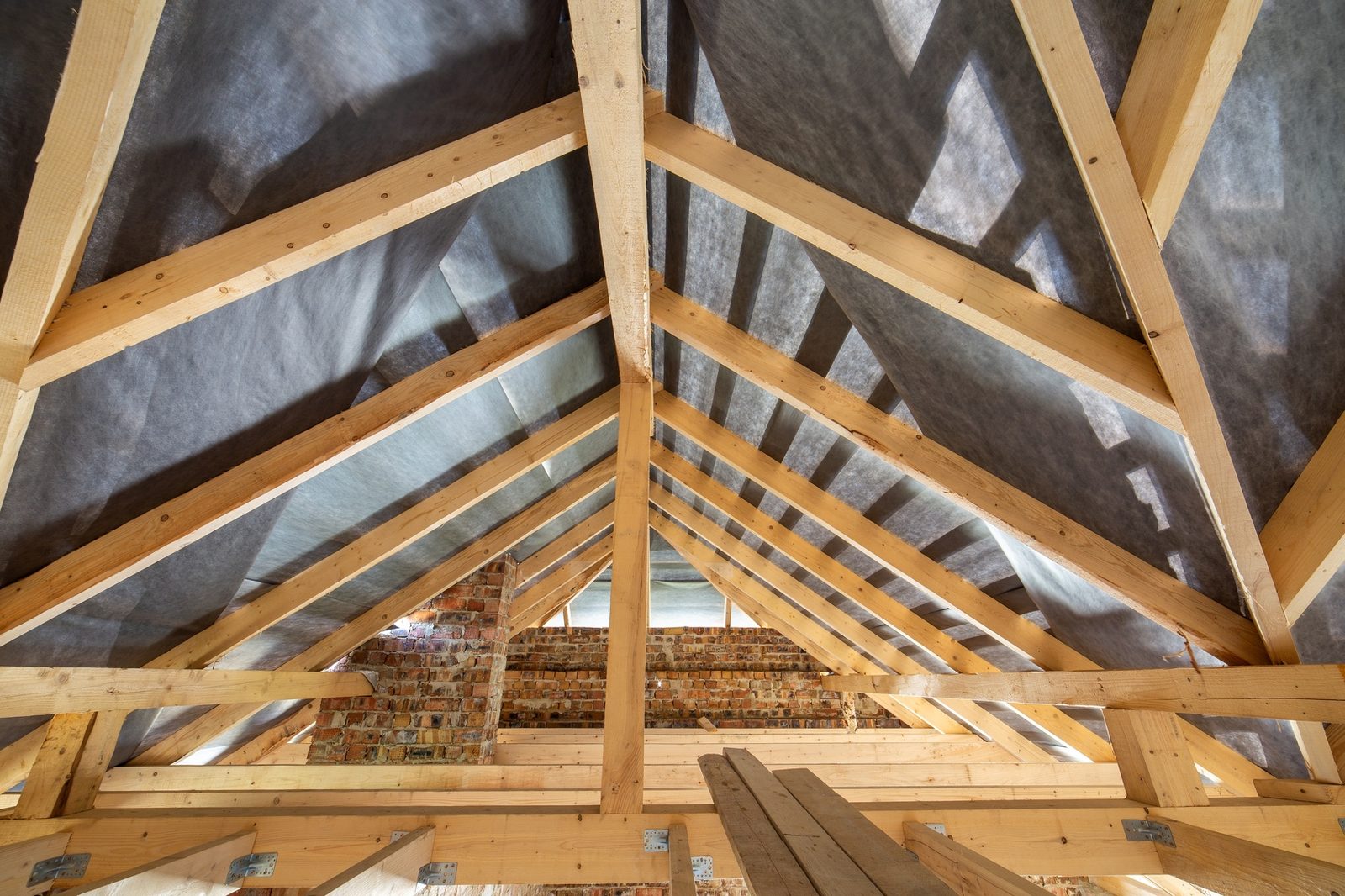
- Most crawl space mold starts with moisture: wet soil, plumbing leaks, poor drainage or humid outside air.
- In Texas, TDLR licenses mold assessment and mold remediation work under Occupations Code Chapter 1958.
- Texas rules do not allow one licensee to do both the mold assessment and the remediation on the same project.
- The Texas Department of Insurance warns that "Mold can start growing within a day after a leak."
- If you see sagging floors or wide cracks, ask for a qualified foundation inspection or an engineer, too.
What does crawl space repair near me in Cypress usually involve?
Crawl space repair in Cypress usually means finding why the space under the house stays damp, fixing that cause, and cleaning up any mold on wood framing, subfloor or insulation. Structural work, like replacing rotted joists or adding supports, is a separate job that only some homes need.
A typical mold and moisture job can include removing wet or moldy insulation, cleaning or treating framing, fixing plumbing drips, improving drainage, and controlling humidity with a vapor barrier or other approach. The right mix depends on what the inspection finds, which is why it helps to start with a mold inspection with moisture readings. Call (281) 524-6507 to be connected with a local provider.
Do Cypress homes even have crawl spaces?
Many Cypress homes sit on a concrete slab, but some houses, additions and older buildings in the area have a crawl space with piers or a short perimeter wall. If you have floor vents on the outside walls, a small access door, or wood floors that sound hollow, you likely have one.
The National Association of Home Builders reports that 97.9% of new single-family homes in the West South Central region, which includes Texas, were built on slab foundations in 2024. That figure covers new construction only. Older houses and some custom builds are different, so the only sure way to know is to look under the house or check your home's records.
What are the signs my crawl space has a moisture or mold problem?
The most common sign is a musty smell inside the house, especially near floor vents, closets or the lowest rooms. Other signs include soft or cupping wood floors, high indoor humidity, sagging insulation, standing water under the house and white, green or black growth on joists.
- Inside the house: musty odor, damp-feeling rooms, floors that feel springy or warped.
- Under the house: wet soil, puddles, rusted metal, dripping pipes, fallen insulation, fuzzy or dark spots on wood.
- Outside: water pooling near the foundation after rain, downspouts that empty right next to the house.
Air from a crawl space can move up into living areas, so a problem under the floor often shows up as a smell upstairs first. Our guide to signs of hidden mold covers more of these clues.
Need help now? Call to be connected with a local provider in Cypress who can check availability for your address.
Why do crawl spaces near Cypress get so damp?
Crawl spaces near Cypress get damp because the area is warm, humid and gets a lot of rain, and the space under a house sits close to wet ground. Humid outside air can drift in through vents and condense on cooler surfaces, like ducts and pipes, during the long cooling season.
Clay soil also plays a part. Clay holds water and drains slowly, so rain can linger under and around the house. Plumbing leaks are another big source, because a slow drip under the floor can go unnoticed for months. Anything that adds water and keeps it there, combined with wood and dust to feed on, gives mold what it needs.
Can I fix crawl space mold myself, or should I call someone?
A Texas homeowner can legally clean up mold in their own home without a license, but crawl spaces are tight, dirty and hard to work in, and cleaning without fixing the moisture source rarely lasts. For anything beyond a small spot, most people call for help.
Small, surface spots on accessible wood are one thing. Large areas, wet insulation, growth spread across many joists, or mold that came back after cleaning usually call for a professional. In Texas, a company you hire for mold assessment or remediation must be licensed by TDLR unless an exemption applies, and you can look up a license at the TDLR license search. Read more about the difference in mold removal vs. remediation.
Is crawl space mold a mold job or a foundation job?
Most crawl space mold is a moisture and mold job first. It becomes a foundation or structural question only when you see sagging floors, crushed or leaning piers, rotted joists, or wide cracks. In those cases, ask for a qualified foundation inspection or a structural engineer before any repairs.
It often makes sense to handle things in order: find and stop the water, clean up the mold, then let a structural specialist judge any wood or support damage. A mold provider can point out damage they see, but they should not be making structural promises. If water damage started the problem, our page on mold remediation after water damage explains that path.
What happens during the visit?
The visit starts with an inspection of the crawl space and the rooms above it. The provider looks for the moisture source, checks moisture levels in wood and soil, and notes any visible growth, damaged insulation, leaks and drainage problems.
Next, they explain your options in plain terms. That may include cleanup of affected framing, removal of damaged insulation, fixing leaks, drainage changes, a vapor barrier or humidity control, and whether a separate mold assessment or a structural check makes sense. Under Texas rules, the company that does the mold assessment cannot also do the remediation on the same project.
You get a written quote before any work begins, so you can compare it, ask questions and decide on your own time. Call (281) 524-6507 to set up a visit.
How do I keep crawl space mold from coming back?
Crawl space mold stays away when the space stays dry. That means fixing leaks quickly, moving rainwater away from the house, covering bare soil, and keeping humidity under control, then checking the space every so often, especially after big storms.
- Point downspouts away from the foundation and keep gutters clear.
- Watch for drips at pipe joints, the water heater line and AC condensate lines.
- Keep the crawl space access door closed and sealed when not in use.
- Replace insulation that has fallen or gotten wet instead of pushing it back up.
- Look under the house after heavy rain or a plumbing repair.
Our tips on preventing mold in a humid climate apply above the floor, too.
Crawl space repair around Cypress and nearby neighborhoods
Cypress gets plenty of water. Houston Intercontinental's 1991-2020 normal annual rainfall is 51.84 inches, and the Atlantic hurricane season runs from June 1 to November 30. The Harris County Flood Control District says "A major flood occurs somewhere in Harris County about every two years," and that flooding can occur outside mapped floodplains, so a house does not need to be in a flood zone for water to reach the space under it.
The ground matters too. The NRCS Lake Charles clay series, found across much of the Southeast Texas coastal plain, forms in clayey deposits and develops cracks 1/2 to 2 inches wide when dry. Clay soils like this hold water when wet, which helps explain why crawl spaces in the region can stay damp after a storm.
Calls about crawl space moisture and mold come from across the area, including Cypress, Tomball, Jersey Village, Spring, Klein and Copperfield. Call (281) 524-6507 to be connected with a local provider near you.
Related pages
Questions people ask
Where can I find crawl space repair near me in Cypress, TX?
Call (281) 524-6507 to be connected with a local provider who handles crawl space moisture and mold in Cypress, TX. They can inspect the space, explain what is causing the problem and give you a written quote before any work.
How do I know if my house has a crawl space or a slab?
Look for small vents along the bottom of the outside walls or an access door near the foundation. If you see those, or your floors sound hollow, you likely have a crawl space. A slab home has no space under the floor.
Why does my house smell musty when it rains if the mold is under the floor?
Air from the crawl space can rise into your living space, carrying odors with it. Rain raises moisture under the house, which can make the smell stronger for a few days.
Is white fuzzy stuff on my crawl space joists mold?
It could be mold, or it could be mineral deposits from moisture. Either way, it means the space is too damp. A provider can check it and find the water source.
Should I remove the wet insulation in my crawl space?
Wet or fallen insulation usually needs to come out, because it holds moisture against the wood and stops doing its job. Fix the moisture source first, or new insulation will get wet too.
Does a vapor barrier stop crawl space mold?
A vapor barrier helps by slowing moisture rising from the soil, but it does not fix leaks, drainage problems or humid air. It is most useful as one part of a plan after the water source is handled.
Should crawl space vents be open or closed in the Houston area?
It depends on the house. Open vents can let humid outside air in, which can add moisture in warm months. A provider can look at your setup and explain which approach fits your crawl space.
Can a plumbing leak under my house cause crawl space mold?
Yes. A slow drip under the floor is one of the most common causes, because it can run for months without anyone seeing it. Fix the leak before cleaning up the mold.
Can crawl space mold spread into my walls and floors?
Mold can grow on the subfloor and framing if they stay damp, and musty air can move upward into the house. Drying the crawl space is the key step to stop it.
Can I spray bleach on mold in my crawl space?
Bleach is not a fix for mold on wood framing, and spraying in a tight, poorly vented space can be unpleasant to work in. Fixing the moisture and having the area cleaned properly does more.
Do I need a licensed company for crawl space mold removal in Texas?
If you hire a company for mold remediation in Texas, it must be licensed by TDLR unless an exemption applies. You can clean mold in your own home yourself without a license.
Can the same company test my crawl space for mold and clean it up?
Not on the same project in Texas. State mold rules do not allow one licensee to do both the mold assessment and the remediation, to avoid conflicts of interest.
Will a home inspector flag crawl space mold when I sell?
Often, yes. Inspectors commonly look under the house and note moisture, mold or damaged insulation. Handling it before listing can make the sale smoother.
When is crawl space damage a foundation problem instead of a mold problem?
Sagging floors, leaning or crushed piers, rotted joists and wide cracks point to a structural issue. Ask for a qualified foundation inspection or a structural engineer in those cases.
Does homeowners insurance pay for crawl space mold in Texas?
It depends on your policy and the cause. TDI says most policies cover sudden water damage but not gradual leaks, and flood damage needs separate coverage, so check your policy and document everything.
What should I do first if I find standing water in my crawl space?
Find and stop the source if you can, such as a leaking pipe, and keep electrical cords and devices away from the water. Then take photos and call to be connected with a local provider.
How often should I check my crawl space in Cypress?
A look a couple of times a year is a good habit, plus after heavy rain, storms or plumbing work. Catching a small leak early is much easier than dealing with spread-out mold.
Talk to someone about your mold problem
Call to be connected with a local provider who can check availability for your address and explain the next step.