Mold Testing in Cypress, TX: When You Need It
Mold testing in Cypress, TX makes the most sense when you smell mold but cannot see it, when a sale or lease needs proof, or after cleanup to confirm the job worked. If mold is already visible, a moisture-focused inspection often tells you more than a lab result. Call to be connected with a local provider.
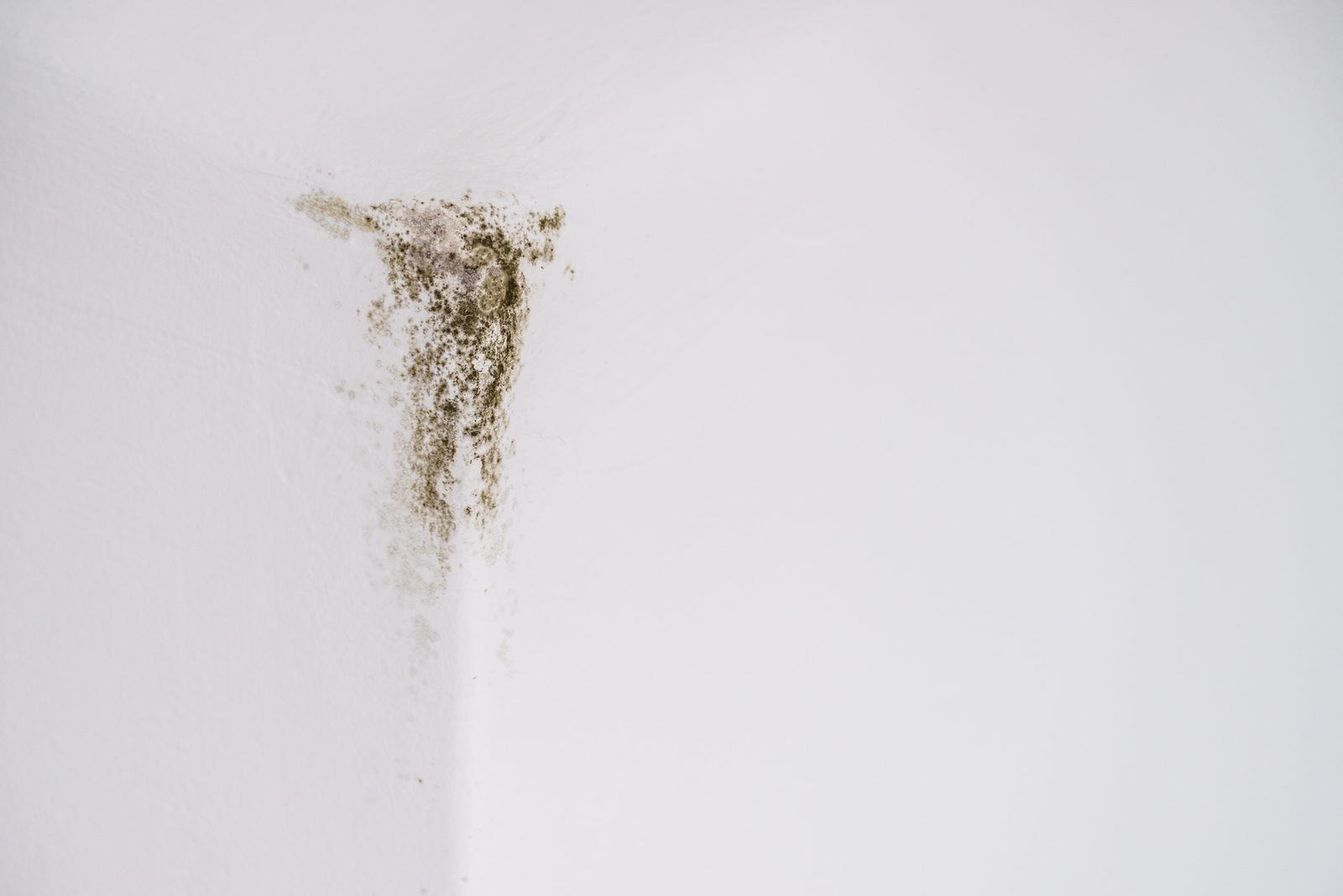
- Mold testing measures spores in air or on surfaces. It does not find the moisture source by itself.
- In Texas, TDLR licenses mold assessment work, including testing done by a hired company, under Occupations Code Chapter 1958.
- A homeowner can take mold samples in their own home without a license.
- Texas rules do not allow one licensee to do both the assessment and the remediation on the same project.
- Clearance testing after cleanup is part of how a Certificate of Mold Damage Remediation gets signed.
Do I need mold testing in Cypress, or will an inspection do?
Many Cypress homeowners need an inspection first and mold testing only in certain cases. An inspection looks for moisture, staining, odor and the cause. Testing sends samples to a lab to measure spores. If you can already see mold, the bigger question is usually why it is wet, not what the lab says.
Testing tends to help when the answer is not obvious. A musty smell with no visible growth, a closed-up room that someone says feels "off," or a dispute about whether a cleanup worked are all good reasons. A mold inspection with moisture readings is often the right first step, and testing can be added if the inspection points to it.
When does mold testing actually help?
Mold testing helps most when you need evidence, not just a guess. It gives you numbers you can compare and share with others, such as a buyer, a landlord or an insurance adjuster.
- Hidden mold: you smell it but cannot find it, and walls or ceilings look normal.
- After a leak or storm: the area dried, but you want to know if growth started behind materials.
- Real estate: a buyer, seller or tenant wants documentation.
- After cleanup: clearance testing checks that remediation worked before walls are closed up.
Testing helps less when the problem is plain to see, like a patch of growth on drywall under a sink. In that case the money and time usually go further toward finding and fixing the leak.
What kinds of mold tests are there?
The common types are air samples, surface samples and bulk samples. Each one answers a different question, so a good assessor picks the test based on what you are trying to learn.
- Air samples pull a measured amount of air through a collector. Indoor results are usually compared with an outdoor sample taken at the same visit.
- Surface samples use a swab or tape lift on a stain to see whether it is mold and what kind.
- Bulk samples send a small piece of material, like drywall or carpet, to the lab.
Samples go to a lab for analysis. TDLR lists Mold Analysis Laboratory as one of its license types, so it is fair to ask which lab will read your samples.
Need help now? Call to be connected with a local provider in Cypress who can check availability for your address.
Are DIY mold test kits worth it?
Home mold test kits can show that spores exist, but spores are in almost every home, so a kit result on its own rarely answers the real question. Most kits do not compare indoor air with outdoor air, and they do not tell you where moisture is coming from.
Texas does allow a homeowner to take mold samples in their own home without a license. That rule covers the license only. It does not mean a kit gives the same picture as a planned assessment. If a kit result worries you, use it as a reason to call and get a proper look.
Who is allowed to do mold testing in Texas?
In Texas, a hired company that tests for mold is doing mold assessment, and that work is licensed. The Texas Department of Licensing and Regulation (TDLR) regulates mold assessment and mold remediation businesses under Texas Occupations Code Chapter 1958 and the Texas Mold Assessment and Remediation Rules (16 Tex. Admin. Code, Chapter 78). Companies and individuals doing mold-related work must be licensed by TDLR unless an exemption applies.
TDLR license types include Mold Assessment Technician, Mold Assessment Consultant and Mold Assessment Company. Anyone can check a license with TDLR's online license search, and licensed individuals must carry a current TDLR license certificate showing their license number. Ask to see it.
Why should the tester be separate from the cleanup company?
Texas mold rules prohibit one licensee from doing both the mold assessment and the mold remediation on the same project, to prevent conflicts of interest. So the person who tests and writes the plan should not be the one paid to do the removal.
This works in your favor. An independent assessor has no reason to make the problem sound bigger or smaller. Our mold removal vs. remediation guide explains what a full cleanup scope usually covers once testing is done.
What happens during the visit?
The visit starts with an inspection. The provider asks what you have noticed, walks the home, checks areas near plumbing, windows, the attic and the air handler, and takes moisture readings. Photos help you see the same things they see.
Next, they explain your options. That may be testing in one or two rooms, a single surface sample, clearance testing after earlier work, or no testing at all if the cause is already clear. They should tell you what each test can and cannot show.
You should get a written quote before any sampling or other work starts. Read it closely so you know which rooms, how many samples, and what kind of report you will receive.
What is clearance testing after mold remediation?
Clearance testing is the check done after cleanup to confirm the work area is ready to be closed up and used again. In Texas, it ties into the paperwork. No later than the 10th day after a mold remediation project ends, the remediation contractor must sign and give the client a Certificate of Mold Damage Remediation, which the assessment consultant who did the post-remediation assessment must also sign.
Sellers must give buyers copies of certificates received in the preceding five years. This is general information, not legal advice. Learn more on our mold clearance testing page.
Why mold testing comes up so often around Cypress
Cypress sits in a wet, warm part of Texas. Houston Intercontinental's 1991-2020 normal annual rainfall is 51.84 inches, and the Atlantic hurricane season runs from June 1 to November 30. A closed-up house with the AC working hard can still hold moisture in attics, wall cavities and closets.
Water events raise the stakes. The Harris County Flood Control District says "A major flood occurs somewhere in Harris County about every two years," and that flooding can occur outside mapped floodplains. The Texas Department of Insurance warns that "Mold can start growing within a day after a leak." That is why many people ask about testing after a storm, even when the house looks dry.
Calls about mold testing come from across the area, including Cypress, Towne Lake, Bridgeland, Copperfield, Jersey Village and Tomball. Newer and older homes both see it, since the cause is moisture, not age.
Related pages
Questions people ask
How do I know if I need mold testing in Cypress, TX?
You likely need mold testing in Cypress if you smell mold but cannot find it, need proof for a sale or lease, or want to confirm a cleanup worked. If you can already see mold, start with an inspection that looks for the moisture source.
Is mold testing worth it if I can already see the mold?
Usually not as a first step. When growth is visible, finding and fixing the moisture source matters more, though testing can still help if you need documentation for a buyer, landlord or claim.
What is the difference between mold testing and a mold inspection?
A mold inspection looks for moisture, damage and the cause, while mold testing sends samples to a lab to measure spores. Many Cypress homes need the inspection first, and testing only if questions remain.
Can I test my own house for mold in Texas?
Yes. Texas allows a homeowner to take mold samples in their own home without a license, though a planned assessment usually gives a clearer picture than a store kit.
Do home mold test kits from the hardware store work?
They can show that mold spores are present, but spores are in nearly every home. Most kits do not compare indoor and outdoor air or point to a moisture source, so results are hard to act on.
Does a mold tester in Texas need a license?
In most cases, yes. A hired company doing mold assessment, which includes testing, must be licensed by TDLR unless an exemption applies.
How can I check if a Cypress mold assessor is licensed?
Use TDLR's online license search and ask to see the person's current TDLR license certificate. Licensed individuals must carry one that shows their license number.
Can the company that tests my house also remove the mold?
Not on the same project in Texas. State rules prohibit one licensee from doing both the mold assessment and the mold remediation, to prevent conflicts of interest.
What does an air sample for mold actually measure?
An air sample measures how many mold spores are in a set amount of air and what types they are. Indoor results are usually compared with an outdoor sample taken at the same visit.
Why would a mold tester take a sample outside my house?
The outdoor sample gives a baseline. Mold spores are normal outside, so the assessor compares indoor levels and types against it to see if something unusual is happening inside.
Should I get mold testing after a roof leak or storm in Cypress?
It can help, especially if water got into walls, ceilings or insulation. Start by stopping the leak and drying the area, then call to be connected with a local provider who can check for hidden moisture and decide if testing is useful.
Can mold testing find mold inside my walls?
Sometimes. Air samples can point to a hidden problem, and moisture readings help narrow down where it is, but testing alone does not open walls or show the exact spot.
Should I test for mold before buying a house in the Cypress area?
It is worth considering if the inspection report mentions moisture, staining or a musty smell. Mold testing gives buyers documentation to use when deciding what to ask the seller for.
What is mold clearance testing and when is it done?
Clearance testing is done after remediation to check that the work area is ready to close up. In Texas, the assessment consultant who did the post-remediation assessment signs the Certificate of Mold Damage Remediation.
Should I clean the moldy area before the mold test?
It is usually better to leave it alone until after the visit. Cleaning can stir up spores and change the results, so ask the provider what to do before they arrive.
Can a mold test tell me if mold is making me sick?
No. A mold test measures spores in the home and does not diagnose illness, so talk with a doctor about any health concerns.
Does homeowners insurance pay for mold testing in Texas?
Often not. Texas Department of Insurance guidance says most home policies don't include mold cleanup and testing after the damaged item is removed, so check your policy and document everything.
What should a mold testing report include?
It should list where each sample was taken, the type of sample, the lab results, and how indoor results compare with the outdoor baseline. Ask the assessor to explain anything that is unclear.
How many mold samples does a typical house need?
It depends on the home and the question you are trying to answer. One room with a smell may need just a few samples, while a whole-home concern may need more, so ask for the count in the written quote.
Should I test for mold in my AC system or air ducts?
Testing can help if the musty smell gets stronger when the AC runs. A provider will usually look at the air handler, drip pan and drain line first, since moisture there is a common cause.
Talk to someone about your mold problem
Call to be connected with a local provider who can check availability for your address and explain the next step.