How to Kill Black Mold in a Cypress, TX Home
How to kill black mold in a Cypress, TX home starts with the water, not the spray bottle. Find and fix the leak or humidity problem first, then scrub small patches on hard surfaces with detergent and water while wearing gloves, goggles and a mask. Larger areas, soaked drywall or growth inside walls call for a professional.
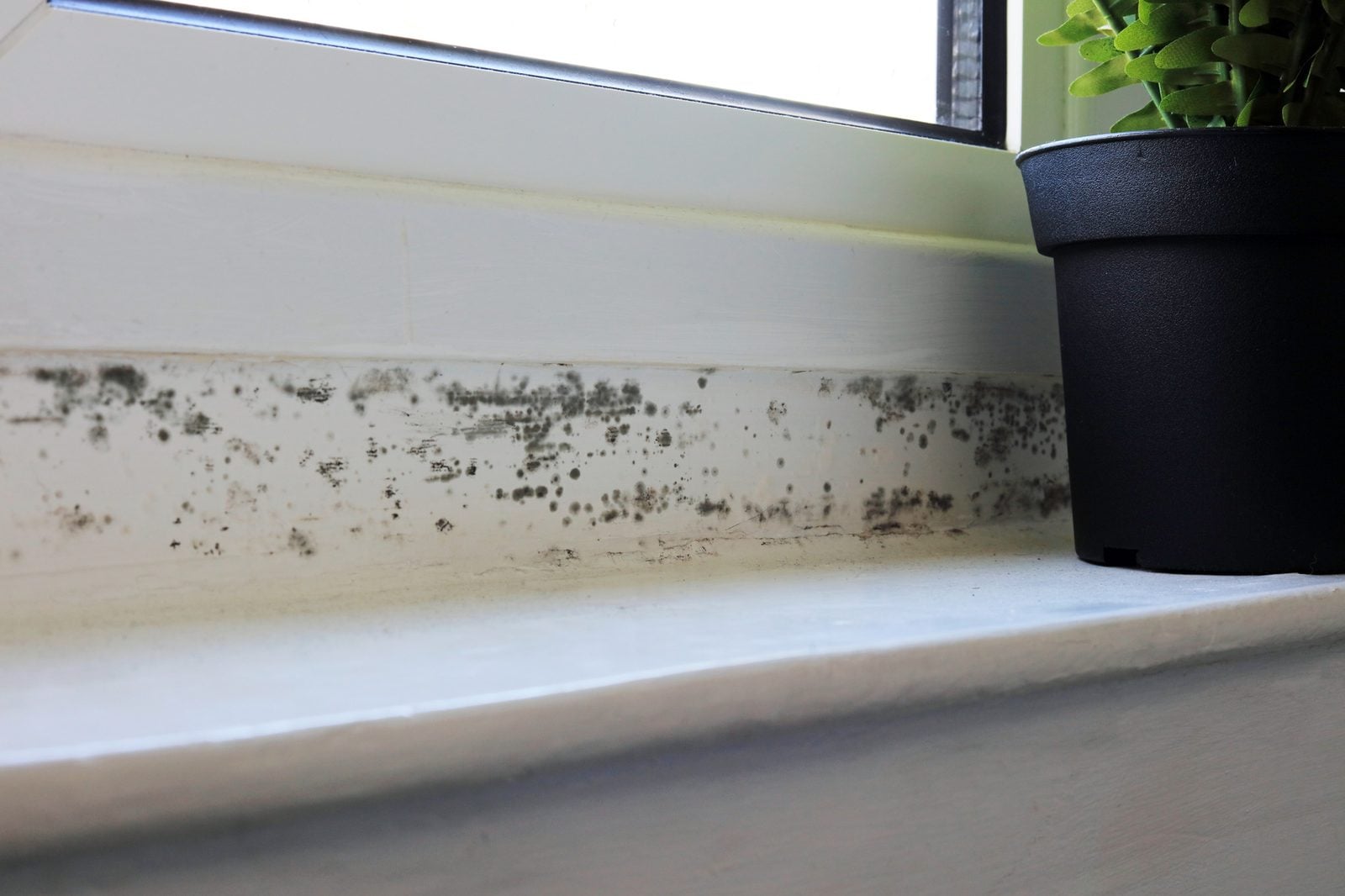
- Mold keeps coming back until the moisture source is found and fixed, no matter what product you use.
- Public health agencies such as the EPA say small patches on hard surfaces can often be scrubbed with detergent and water.
- Never mix bleach with ammonia or other cleaners. The mix can release toxic fumes.
- Porous materials like drywall, carpet and ceiling tiles that stay moldy usually need to be removed, not just cleaned.
- A homeowner can clean up mold in their own home without a Texas license, but hired mold work is regulated by TDLR.
What to do first
- Stop the water: fix the leak, shut off the supply line, or clear the AC drain that is feeding the growth.
- Dry the area with fans, the AC and a dehumidifier, and keep children and pets out of the room.
- Put on gloves, goggles and an N-95 mask before you touch, scrub or bag anything moldy.
- Open a window if you can, and never mix bleach with ammonia or other household cleaners.
- If the growth covers a large area, keeps returning, or followed a flood or sewage backup, stop and call for help.
How do you kill black mold safely at home?
To kill black mold safely at home in Cypress, fix the moisture source, protect yourself with gloves, goggles and a mask, then scrub small patches on hard surfaces with detergent and water and dry the area completely. Throw away soft materials that stay moldy, and call for help when the area is large.
For a small, surface-level problem:
- Find the water. Check pipes, AC lines, windows and room humidity.
- Fix it or stop it. Cleaning without fixing the water only buys you a few weeks.
- Gear up. Wear non-vented goggles, long rubber or nitrile gloves and an N-95 respirator.
- Mist lightly, then scrub. Scrub with a stiff brush, detergent and water.
- Wipe and dry. Wipe the surface clean and dry it fully within a day or two.
- Bag the waste. Seal rags, sponges and any cut-out material in plastic bags before carrying them through the house.
- Watch the spot. If the stain or musty smell comes back, the moisture is still there.
Does bleach kill black mold, or is soap and water enough?
Bleach can kill mold on hard, non-porous surfaces, but the EPA says it is usually not needed for routine cleanup. Detergent and water, plus good drying, handles most small hard-surface jobs. Bleach does not reach mold rooted inside drywall or wood, and it adds fumes to a small room.
If you do choose bleach on tile or a tub surround, keep these rules in mind:
- Never mix bleach with ammonia or with other cleaners. Many glass cleaners and some bathroom products contain ammonia, and the mix can release dangerous gas.
- Use it only with fresh air, follow the label, and dry the surface afterward.
- Do not use bleach on porous surfaces like drywall paper, ceiling tile or bare wood and expect it to solve the problem.
No cleaner replaces fixing the moisture and removing materials that are already soaked.
What protective gear do you need to clean black mold?
Wear an N-95 respirator, non-vented goggles and long gloves made of rubber, nitrile or similar material whenever you clean or remove moldy materials. Wear clothes you can wash right away, and keep other people and pets out of the room until the work is done.
If anyone in the home has asthma, allergies or a weakened immune system, public health agencies suggest they stay away from the cleanup area, and they should talk with a doctor about any health questions.
Need help now? Call to be connected with a local provider in Cypress who can check availability for your address.
When is a mold problem too big to clean yourself?
EPA guidance says a homeowner can usually handle a moldy patch smaller than about 10 square feet, roughly a 3-foot by 3-foot area. Larger areas, mold inside walls or ducts, growth after a flood or sewage backup, or mold that keeps coming back are signs to call for help.
Other signs that a job has outgrown a scrub brush:
- The drywall is soft, swollen or crumbles when you press it.
- The stain continues behind baseboards, cabinets or tile.
- The mold is in the HVAC system, air handler closet or ductwork. See HVAC and duct mold cleaning for how that is handled.
- The water came from a flood, a roof leak during a storm or a sewer line.
In those cases, the goal is no longer to kill what you can see. It is to find how far the moisture spread and remove damaged material under controlled conditions. The mold removal page explains containment and drying in more detail.
Can you kill black mold on drywall, wood or carpet?
You can clean light surface mold on painted drywall or sealed wood, but mold that has grown into drywall paper, ceiling tiles, insulation or carpet padding usually cannot be fully cleaned. Public health guidance says those porous materials often need to be cut out, bagged and replaced after the area is dry.
Here is how different surfaces usually play out:
- Tile, glass, metal, sealed countertops: scrub with detergent and water, then dry.
- Painted drywall with a light surface film: clean gently. If the stain soaks through or the board is soft, it likely needs to come out.
- Carpet and pad: once they have been wet and moldy, they are hard to save.
Painting over mold does not kill it. Paint can peel and the growth can continue underneath.
Does the color of black mold change how you kill it?
No. The CDC and EPA say you do not need to know the type of mold to clean it up. Black, green or white, the steps are the same: fix the moisture, wear protective gear, clean or remove the affected material, and dry it well.
Many molds look dark, and color alone cannot tell you which kind you have. Testing a small, visible patch usually does not change what you do next. The black mold facts guide covers what the name does and does not mean.
How do you keep black mold from coming back after you clean it?
Keep the area dry. Black mold comes back in Cypress homes when a leak is not fully fixed, humidity stays high, or the AC drain keeps sweating. Fix plumbing drips quickly, run bathroom fans, keep indoor humidity low, and dry any wet material within 24 to 48 hours.
- Run the exhaust fan during showers and for a while after.
- Check the AC drip pan and condensate line, and change the filter on schedule.
- Use a dehumidifier in closets or rooms that stay damp.
The guide to preventing mold in humid Cypress homes goes deeper on day-to-day habits.
What happens during the visit?
The visit starts with an inspection. The provider looks at the moldy area with you, takes moisture readings, checks the nearby walls, floors and ceilings, and looks for the water source.
Next comes an explanation of options. For a small area, that may be advice on drying and cleaning it yourself. For a larger area, it may mean setting up containment, removing damaged drywall or flooring, drying the space and cleaning what can be saved. Texas mold rules prohibit one licensee from doing both the mold assessment and the mold remediation on the same project, so a larger job may involve two companies.
You should get a written quote before any work starts, so you can see the scope and compare options.
Why black mold keeps showing up in Cypress-area homes
Cypress gets plenty of water, which is why learning how to kill black mold is only half the job here. Houston Intercontinental's 1991-2020 normal annual rainfall is 51.84 inches, and the Atlantic hurricane season runs from June 1 to November 30. The Harris County Flood Control District says "A major flood occurs somewhere in Harris County about every two years," and notes that flooding can occur outside mapped floodplains.
Speed matters after any leak. The Texas Department of Insurance warns that "Mold can start growing within a day after a leak," so dry a wet wall or floor right away.
Calls about mold come from across the area, including Cypress, Tomball, Spring, Katy, Klein and Copperfield. Whether you are in an older home near FM 1960 or a newer build in Bridgeland, the rule is the same: fix the water first.
On licensing: a homeowner can clean up mold in their own home without a license. When you hire someone, the Texas Department of Licensing and Regulation (TDLR) regulates mold assessment and mold remediation businesses, and companies doing mold-related work must be licensed by TDLR unless an exemption applies. Anyone can check a Texas mold license with TDLR's online license search.
Related pages
Questions people ask
How do I kill black mold in my house without making it worse?
Fix the moisture source first, wear gloves, goggles and an N-95 mask, and scrub small hard-surface patches with detergent and water. Avoid dry brushing or sanding, which can spread spores, and dry the area completely afterward.
What is the safest way to kill black mold on a bathroom ceiling?
For a small patch on a painted ceiling, run the fan, wear eye protection and a mask, and gently clean with detergent and water. If the ceiling is stained through, sagging or the patch is large, call to be connected with a local provider, since there may be a leak above it.
Is it okay to mix bleach and vinegar to kill mold?
No. Never mix bleach with vinegar, ammonia or other cleaners, because the mix can release dangerous fumes. Use one product at a time, follow the label, and keep the room ventilated.
Does vinegar kill black mold?
Vinegar may help on some hard surfaces, but it is not a fix for mold inside drywall, wood or carpet. Public health agencies point to detergent and water for small hard-surface jobs, plus fixing the moisture.
Why does black mold keep coming back after I clean it?
Because the moisture is still there. A slow leak, a sweating AC line or high humidity will keep feeding the same spot until it is fixed.
Can I just paint over black mold?
No. Paint does not kill mold, and growth can continue under it until the paint peels. Clean or remove the material and fix the moisture before painting.
How big of a mold area can I clean up on my own?
EPA guidance says a homeowner can usually handle an area smaller than about 10 square feet. Larger areas, mold in walls or ducts, or mold after a flood are better handled by a professional.
Do I need to throw away moldy drywall or can I clean it?
Light surface mold on painted drywall can sometimes be cleaned, but drywall that is soft, stained through or has been wet for a while usually needs to be cut out and replaced after the area is dry.
What kind of mask should I wear when cleaning black mold?
An N-95 respirator, along with non-vented goggles and long gloves. A loose paper dust mask does not give the same protection.
Should I test black mold before I try to kill it?
Usually not for a small, visible patch. The CDC and EPA say you do not need to know the mold type to clean it, and the steps are the same for any color.
Can I kill black mold in my AC vents myself?
Wiping a vent cover is fine, but mold in the air handler, coil or ducts is harder to reach and can spread through the house. Change the filter, check the drain line, and call to be connected with a local provider.
Is it safe to sleep in a room with black mold?
Public health agencies say mold can affect some people, especially those with allergies or asthma, so limit time in the room while it is being cleaned up. Talk with a doctor about any health questions.
Do I need a licensed company to remove black mold in Cypress, TX?
If you hire someone, mold assessment and remediation businesses in Texas are regulated by TDLR and must be licensed unless an exemption applies. A homeowner cleaning their own home does not need a license.
Will homeowners insurance pay to kill black mold in Texas?
It depends on the cause and your policy. TDI guidance says mold on an item damaged in a covered loss would be covered, but mold from a flood is not, so check your policy and document everything.
When should I stop cleaning black mold and call someone?
Stop if the area is large, the material crumbles, the stain spreads behind walls or cabinets, or the mold followed a flood or sewage backup. Call to be connected with a local provider who can inspect and explain your options.
Talk to someone about your mold problem
Call to be connected with a local provider who can check availability for your address and explain the next step.