What Is Mold Remediation in Cypress, TX?
What is mold remediation? It is the full process of getting a mold problem under control in a Cypress, TX home: finding and fixing the moisture, sealing off the work area, removing or cleaning moldy materials, drying everything, and confirming the job worked. It is more than wiping a stain away, and that is where most myths start.
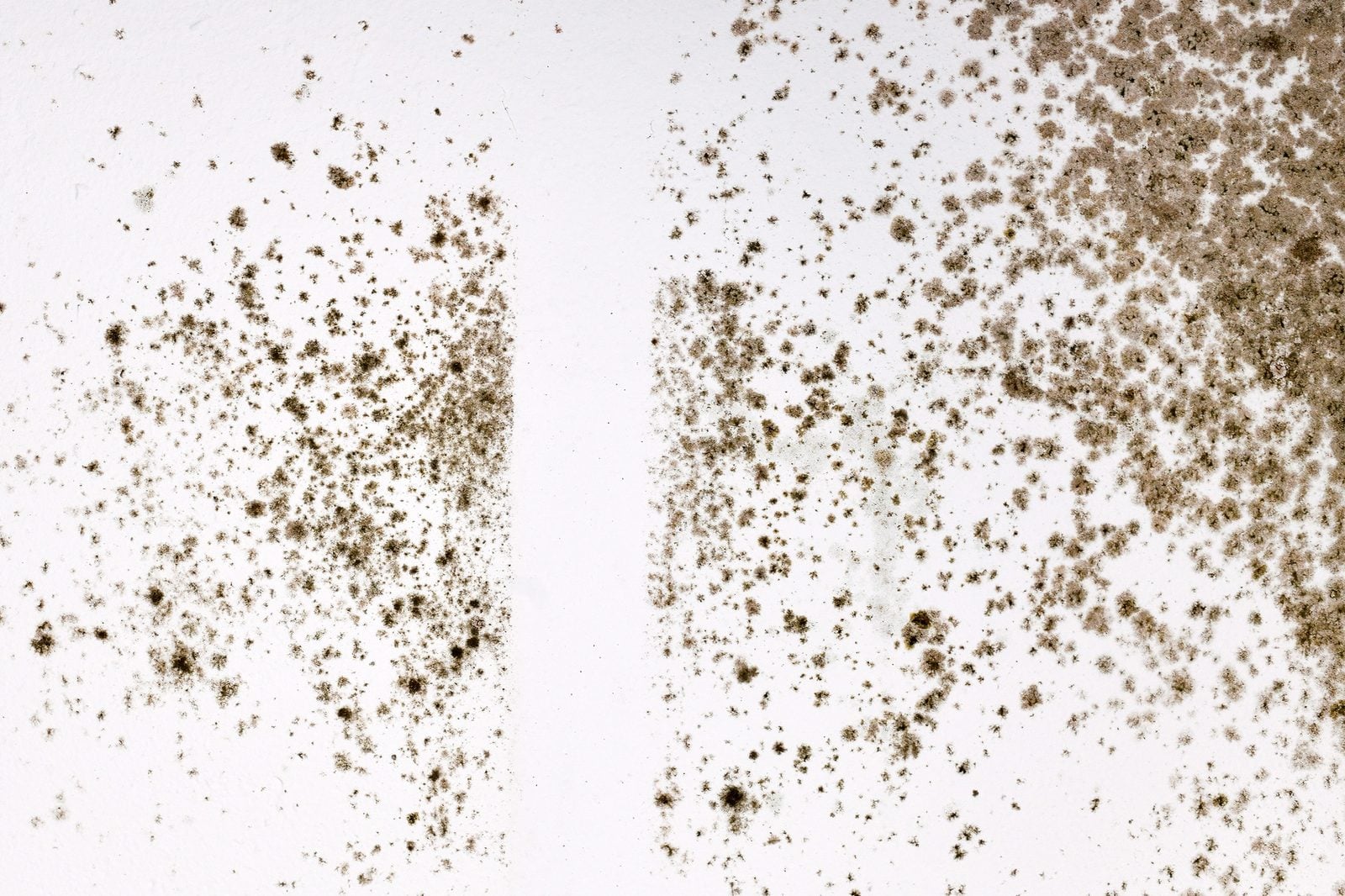
- Mold remediation treats the cause (moisture) as well as the visible growth, which is why a spray alone rarely solves it.
- The goal is to bring mold back to normal, background levels. Mold spores exist almost everywhere, indoors and out.
- Soft materials like drywall, carpet pad and insulation that stay moldy are usually cut out and replaced, not just cleaned.
- In Texas, the Texas Department of Licensing and Regulation (TDLR) regulates mold assessment and mold remediation businesses.
What is mold remediation, in plain words?
Mold remediation is the process of correcting a mold problem in a home or building in Cypress, TX so it does not come back. It covers four jobs: stop the moisture, keep spores from spreading, remove or clean what is growing, and dry and verify the area. Cleaning the stain is only one step of the whole process.
Mold needs moisture, a food source such as drywall paper, wood or dust, and time. Take away the moisture and the growth stops.
A typical mold remediation project includes:
- Moisture work: finding the leak, AC drain clog, condensation or humidity problem and getting it fixed.
- Containment: plastic sheeting and air control so spores do not drift into clean rooms.
- Removal: cutting out soaked drywall, insulation, carpet pad or trim that cannot be cleaned.
- Cleaning: HEPA vacuuming and wiping of hard surfaces such as studs, framing and concrete.
- Drying: fans and dehumidifiers until the materials read dry.
- Verification: a final check, often called clearance testing, to confirm the area is back to normal.
Myth or fact: is mold remediation the same as mold removal?
Mostly a myth. People use the two words loosely, but mold removal usually means taking out the growth you can see, while mold remediation means the whole process, including the moisture fix, containment, drying and a final check. A company can remove mold without fully remediating the problem.
Remediation also does not make a house mold-free, since spores are a normal part of indoor and outdoor air. For a deeper side-by-side, see the guide to mold removal vs. remediation.
Myth or fact: can bleach or a mold spray fix the problem?
Myth. Bleach and store-bought sprays can lighten or kill surface mold on hard, non-porous surfaces like tile, but they do not fix the moisture and they do not reach growth rooted inside drywall paper, wood or insulation. Public health agencies such as the EPA say detergent and water is usually enough for small hard-surface cleanup.
A few points worth knowing:
- Never mix bleach with ammonia or other cleaners.
- Soft materials stay soaked. Drywall, ceiling tile and carpet pad that stay moldy usually need to come out.
- Return trips are a clue. If the spot comes back after cleaning, the moisture source is still active.
Need help now? Call to be connected with a local provider in Cypress who can check availability for your address.
Myth or fact: is mold remediation only needed for black mold?
Myth. Mold remediation is based on how much growth there is, what it is growing on, and why it is there, not on its color. Green, white, gray and black mold all point to the same thing: too much moisture. The CDC and EPA advise removing indoor mold whatever the type rather than waiting to identify it.
If you want to know more about dark mold specifically, the black mold removal page explains what the label does and does not mean.
What are the main steps of mold remediation?
The main steps of mold remediation are assessment, moisture correction, containment, removal and cleaning, drying, and a final check.
- Assessment. Someone maps where the growth is, how far moisture has spread, and what caused it. In Texas, larger jobs follow a written protocol from a Mold Assessment Consultant.
- Moisture correction. The leak, drain line, roof issue or humidity problem gets fixed, or at least stopped, so the area can dry.
- Containment. The work area is sealed with plastic, and air is controlled so spores do not travel through the house or the AC system.
- Removal and cleaning. Moldy porous materials are bagged and removed. Hard surfaces are HEPA vacuumed and wiped.
- Drying. Fans and dehumidifiers run until moisture readings return to normal for that material.
- Final check. A post-remediation assessment confirms the area looks clean, is dry, and meets the goals in the protocol before walls are closed up.
When do you need professional mold remediation instead of DIY?
You likely need professional mold remediation in Cypress when the growth covers a large area, keeps coming back, sits inside walls, ceilings or the AC system, or followed a flood or sewage backup. Small surface spots on hard materials are often fine to clean yourself with care.
Signs it is time to call:
- Drywall, flooring or ceiling material feels soft, stained through or warped.
- The water was dirty, such as floodwater or a sewer line backup.
- Someone in the home has asthma or other health concerns. Talk with a doctor about health questions, and keep them out of the work area.
If any of those fit, call to be connected with a local provider who can look at the moisture source and the extent of the damage before anything is torn out.
Myth or fact: will painting over mold or running an air purifier solve it?
Myth. Paint, even mold-resistant paint, only covers growth that is still alive underneath, and an air purifier only captures some spores floating in the air. Neither one touches the moisture or the material that is feeding the mold, so the problem keeps going behind the scenes.
Mold-resistant paint is useful on clean, dry surfaces after remediation is finished. Used as a cover-up, it can trap moisture and hide the problem.
Air purifiers and dehumidifiers are support tools, not remediation. The fix starts with the water and the damaged materials.
What happens during the visit?
During a mold visit in Cypress, a local provider inspects the affected area, explains your options in plain words, and gives you a written quote before any work starts. You decide what happens next, and nothing should be torn out until you understand the plan.
- Inspection. Expect a look at the growth, moisture readings, and questions about leaks, storms or AC issues.
- Options explained. You should hear what is causing the moisture, what material needs to come out, what can be cleaned, and whether a separate mold assessment is needed first under Texas rules.
- Written quote. Ask for the scope in writing: which rooms, what containment, what gets removed, how drying will be checked, and how the final check will be handled.
Ask who will do the post-remediation check and whether you will receive a Certificate of Mold Damage Remediation. To get started, call to be connected with a local provider. You can also read how the process works on the how it works page.
How mold remediation works in Cypress and the Houston area
Mold remediation in Cypress is shaped by two things: a wet climate and Texas rules. Houston Intercontinental's 1991-2020 normal annual rainfall is 51.84 inches, and the Atlantic hurricane season runs from June 1 to November 30. The Harris County Flood Control District says "A major flood occurs somewhere in Harris County about every two years," and notes that flooding can occur outside mapped floodplains. The Texas Department of Insurance warns that "Mold can start growing within a day after a leak," so fast drying matters.
On the rules side, the Texas Department of Licensing and Regulation (TDLR) regulates mold assessment and mold remediation businesses under Texas Occupations Code Chapter 1958 and the Texas Mold Assessment and Remediation Rules. Texas mold rules prohibit the same company or individual from doing both the mold assessment and the mold remediation on the same project, to prevent conflicts of interest. That is why many Cypress homeowners work with one company to test and write the plan, and a different company to do the cleanup. A homeowner can still clean up mold in their own home without a state credential.
When a project ends, the remediation contractor must sign and give the client a Certificate of Mold Damage Remediation no later than the 10th day after the project ends, and the assessment consultant who did the post-remediation assessment must also sign it. Sellers must give buyers copies of certificates received in the preceding five years.
Calls come in from across the area, including Cypress, Tomball, Jersey Village, Katy, Bridgeland and Towne Lake.
Related pages
Questions people ask
What is mold remediation and how is it different from just cleaning mold?
Mold remediation is the full process of fixing a mold problem: stopping the moisture, containing the area, removing or cleaning moldy materials, drying, and checking the result. Cleaning mold only handles the visible growth, so it often comes back if the moisture is still there.
What does mold remediation mean on a home inspection report?
It usually means the inspector saw signs of mold or moisture and recommends having it properly assessed and corrected.
Does mold remediation get rid of all the mold in my house?
No. Mold spores are present almost everywhere, so the goal of remediation is to remove active growth and return the affected area to normal levels, not to make a home completely mold-free.
How do I know if I need mold remediation or if I can clean it myself?
Small surface spots on hard materials like tile can often be cleaned yourself with detergent, water and protective gear. Large areas, growth inside walls or AC systems, repeat growth, or mold after a flood usually call for professional mold remediation.
What are the steps of mold remediation from start to finish?
The usual steps are assessment, fixing the moisture source, containment, removing and cleaning moldy materials, drying, and a final post-remediation check. In Texas, larger jobs follow a written protocol from a Mold Assessment Consultant.
Do they have to cut out drywall during mold remediation?
Often, yes, when the drywall is soaked or the mold has grown into the paper facing. Porous materials that stay moldy usually cannot be cleaned well enough, so they are removed and replaced after the area dries.
Can I stay in my house during mold remediation?
Many families stay home during smaller projects when the work area is sealed off, but it depends on the size and location of the job. Ask the provider what rooms will be closed off, and check with a doctor if anyone has health concerns.
Does Texas have rules about who can do mold remediation?
Yes. The Texas Department of Licensing and Regulation (TDLR) regulates mold assessment and mold remediation businesses, and companies doing mold-related work must meet TDLR requirements unless an exemption applies. Anyone can look up a Texas mold credential with TDLR's online search.
Why can't the same company test my house and do the mold remediation in Texas?
Texas mold rules prohibit the same company or individual from doing both the mold assessment and the mold remediation on the same project. The rule is meant to prevent conflicts of interest between the person who sizes the job and the person paid to do it.
What is a Certificate of Mold Damage Remediation in Texas?
It is a document the remediation contractor must sign and give the client no later than the 10th day after a mold remediation project ends, also signed by the assessment consultant who did the post-remediation assessment. Keep it with your home records.
Do I need a mold test before mold remediation?
Not always for a small spot you plan to clean yourself, but larger professional jobs in Texas start with an assessment that maps the problem and sets the plan. The mold testing guide covers when it helps.
What is post-remediation clearance testing?
It is the final check after mold remediation to confirm the work area is clean, dry and back to normal before walls are closed up. In Texas, the assessment consultant who does this post-remediation assessment also signs the Certificate of Mold Damage Remediation.
Does homeowners insurance pay for mold remediation in Texas?
It depends on the cause and your policy. The Texas Department of Insurance says mold that develops on an item damaged in a covered loss would be covered, but mold from a flood is not, and most home policies don't include mold cleanup and testing after the damaged item is removed. Check your policy and document everything.
What should a written quote for mold remediation include?
A clear quote lists the rooms and materials involved, the containment plan, what will be removed and what will be cleaned, how drying will be measured, and how the final check will be done.
Who should I call for mold remediation in Cypress, TX?
Call to be connected with a local provider who can inspect the area, explain the options and give you a written quote.
Talk to someone about your mold problem
Call to be connected with a local provider who can check availability for your address and explain the next step.